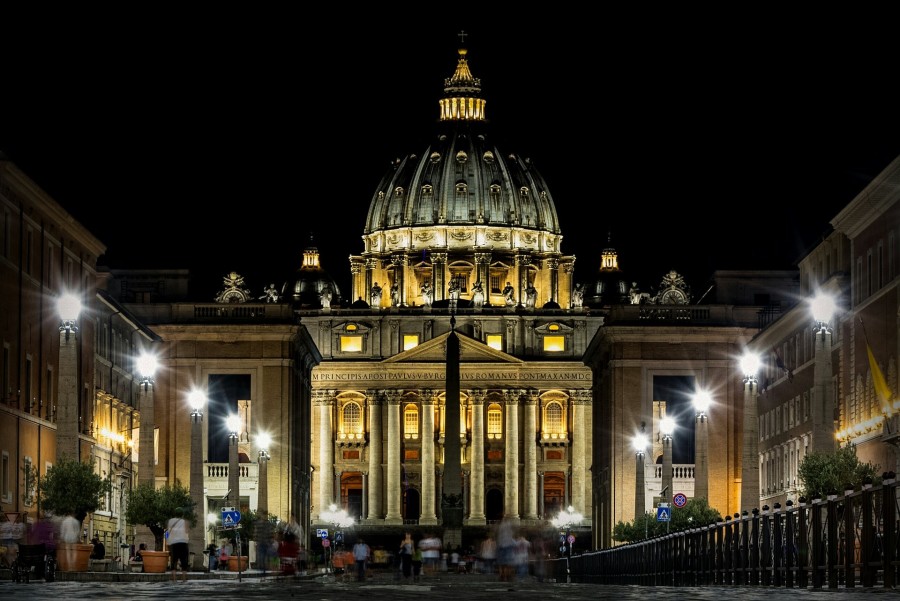
The Sistine Chapel is one of the most famous artistic and religious spaces in the world. Located inside the Vatican Museums, it attracts millions of visitors every year who come to admire its extraordinary frescoes and the masterpieces created by some of the greatest artists of the Renaissance.
Beyond its beauty, however, the chapel also holds deep historical, political and symbolic significance. It is here that papal conclaves take place, where cardinals gather to elect a new pope. At the same time, it represents one of the highest achievements in Western art, especially thanks to the work of Michelangelo Buonarroti.
Understanding the Sistine Chapel means exploring not only its paintings, but also its architecture, its history and the many hidden details that often go unnoticed during a quick visit.
The Sistine Chapel is situated inside the Vatican complex, within the Vatican Museums, in Vatican City. Visitors usually reach it at the end of the museum route, after passing through several galleries filled with ancient sculptures, tapestries and Renaissance paintings.
Although many people think of it simply as a museum room, the chapel is actually part of the official residence of the pope. It still serves important ceremonial and religious functions, particularly during major liturgical celebrations.
Because of its fame, the Sistine Chapel is one of the most visited sites in Rome. This popularity makes planning a visit essential, especially during peak seasons when the Vatican Museums can become extremely crowded.
The name “Sistine Chapel” comes from Pope Sixtus IV, who commissioned its construction in the late 15th century.
The chapel was built between 1473 and 1481 and designed to serve as the papal chapel for important ceremonies. Its architecture was inspired by biblical descriptions of the Temple of Solomon and reflects a careful balance between simplicity and grandeur.
Sixtus IV also invited some of the most renowned painters of the time to decorate the walls with frescoes depicting scenes from the lives of Moses and Christ. Among these artists were masters such as Sandro Botticelli, Pietro Perugino and Domenico Ghirlandaio.
These frescoes still decorate the side walls of the chapel today, creating a narrative that links the Old Testament to the New Testament and reinforces the authority of the papacy.
The most famous element of the Sistine Chapel is undoubtedly the ceiling painted by Michelangelo between 1508 and 1512 under the patronage of Pope Julius II.
At the time, Michelangelo considered himself primarily a sculptor rather than a painter. In fact, he initially resisted the commission, but eventually accepted the challenge and went on to create one of the most iconic works in art history.
The ceiling covers more than 500 square meters and depicts scenes from the Book of Genesis. Among them are:
Perhaps the most recognizable image from the ceiling is The Creation of Adam, where the hands of God and Adam almost touch. This single moment has become one of the most reproduced images in the world.
Michelangelo painted the entire ceiling while standing on scaffolding high above the floor, working for years under physically demanding conditions. Contrary to popular belief, he did not lie on his back but painted mostly standing up, which caused significant strain on his body.
More than twenty years after completing the ceiling, Michelangelo returned to the Sistine Chapel to paint another monumental fresco: The Last Judgment.
This masterpiece covers the entire altar wall and was completed between 1536 and 1541 during the pontificate of Pope Paul III.
Unlike the balanced and orderly composition of the ceiling, The Last Judgment presents a dramatic and intense vision of the end of time. At the center stands Christ as the judge of humanity, surrounded by saints, angels and resurrected souls.
The scene is filled with movement and emotion. Some figures rise toward heaven while others are dragged downward into hell, creating a powerful visual representation of salvation and damnation.
When the fresco was unveiled, it sparked controversy because many of the figures were depicted nude. Later, some areas were partially covered with drapery added by another artist, a modification that earned him the nickname “the breeches painter.”
Although the Sistine Chapel is one of the most studied artworks in the world, many details remain fascinating even for experts.
One often-discussed aspect concerns the symbolism hidden within Michelangelo’s compositions. Some scholars believe that certain shapes in the ceiling frescoes resemble anatomical structures, suggesting that Michelangelo may have incorporated references to human anatomy.
Another intriguing detail is the complex arrangement of the figures on the ceiling. The prophets and sibyls surrounding the central scenes represent both biblical and classical traditions, symbolizing the universality of divine revelation.
Even the architecture painted on the ceiling is not real. Michelangelo used illusionistic techniques to create the impression of sculpted frames and structures that do not physically exist.
These visual tricks contribute to the extraordinary depth and dynamism of the entire composition.
The Sistine Chapel is not only an artistic masterpiece but also a place of major historical importance. It is here that the papal conclave takes place.
When a pope dies or resigns, cardinals from around the world gather inside the chapel to elect his successor. During the conclave, the chapel becomes a sealed environment where discussions and voting take place in strict secrecy.
The famous smoke signals seen from St. Peter’s Square originate from the chapel’s chimney. Black smoke indicates that no decision has been reached, while white smoke announces that a new pope has been elected.
This ritual connects the Sistine Chapel not only to art history but also to the ongoing life of the Catholic Church.
For most visitors, the Sistine Chapel represents the highlight of the Vatican Museums. However, reaching it requires walking through several galleries first.
Because photography is not allowed inside the chapel, visitors are encouraged to take time simply to observe the frescoes and absorb the atmosphere.
Looking up at the ceiling for the first time can be overwhelming. The scale, colors and complexity of the paintings create an experience that is difficult to replicate through photographs or reproductions.
To fully appreciate the chapel, it helps to understand the stories depicted on the ceiling and the meaning behind the figures surrounding them.
Guided tours often make this experience much more rewarding by explaining the historical context and the symbolism behind the artworks.
Despite its fame, many people leave the Sistine Chapel without noticing some of its most interesting features.
For example, the lower part of the walls was originally decorated with tapestries designed by Raphael. Although the original tapestries are now preserved in the Vatican Museums, replicas are occasionally displayed in the chapel.
Another fascinating detail is the chapel’s precise architectural proportions, which are believed to reflect the dimensions described in the Bible for the Temple of Solomon.
Even the lighting inside the chapel has been carefully designed. Modern restoration projects have cleaned centuries of soot from the frescoes, revealing vibrant colors that were hidden for generations.
These restorations have significantly changed how modern audiences experience Michelangelo’s work.
Few places combine art, history, religion and symbolism as powerfully as the Sistine Chapel.
It represents the peak of Renaissance creativity and demonstrates how art can communicate complex theological ideas through visual storytelling.
For centuries, artists, historians and visitors have studied its frescoes in search of deeper meaning. Even today, the chapel continues to inspire debates, research and admiration.
Standing beneath the ceiling painted by Michelangelo offers a rare glimpse into the ambition and imagination of Renaissance artists who sought to depict nothing less than the story of humanity itself.
Visiting the Sistine Chapel is an unforgettable experience, but understanding its history and symbolism can make the visit even more meaningful.
A guided tour allows you to explore the Vatican Museums, the Sistine Chapel and the surrounding monuments with expert explanations that bring centuries of art and history to life.
If you want to fully appreciate this extraordinary masterpiece and avoid the confusion of navigating the museums alone, consider booking a Vatican tour with Discovery Guided Tours.
With a professional guide, you will gain deeper insight into Michelangelo’s work, the hidden details of the chapel and the fascinating history of one of the most important artistic treasures in the world.
you may be interested:
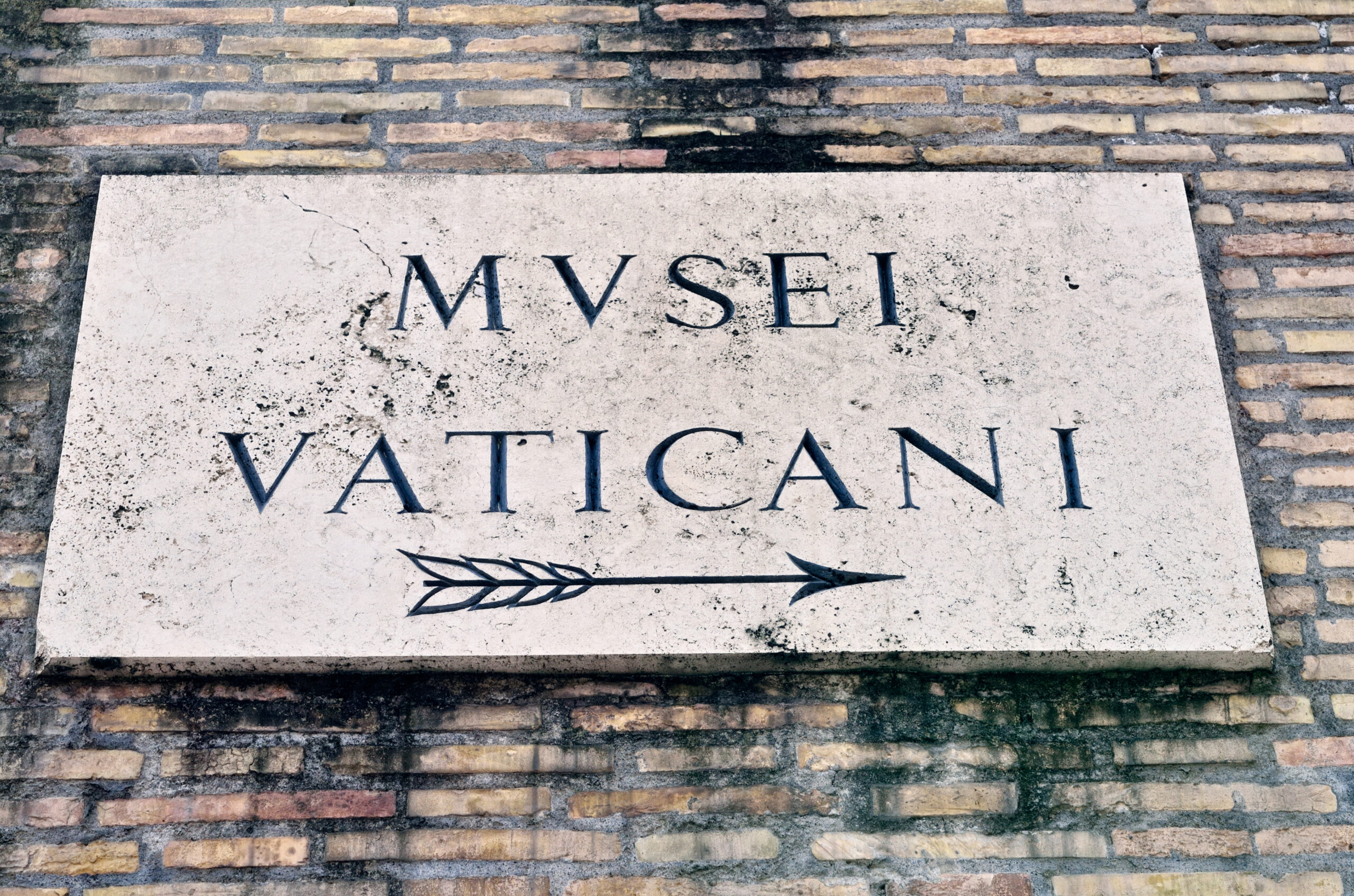
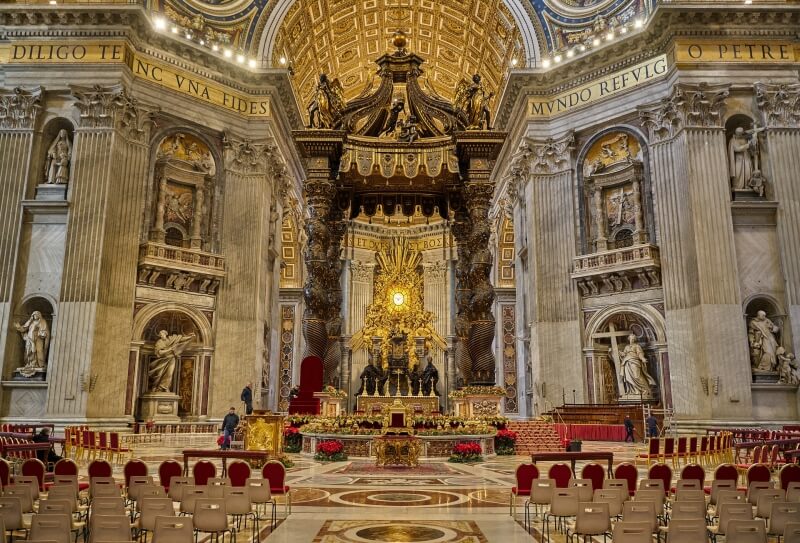
A break from the cruise, to step foot into Vatican City An exclusive private and guided tour of the Vatican Museums and Sistine Chapel and Saint Peter's Basilica. If a full tour of Rome isn't your thing but the Sistine Chapel is a must, this is the perfect tour for you. Round-trip transportation from the dock of your cruise ship in Civitavecchia for an exclusive and personalized experience: A private expert guide to provide fun, comprehensive explanations on the wonders you will see One of our expert drivers to welcome you in Port, stay at your service by the vehicle at all times while you tour, and later take you back to Port Special Access to Vatican Museums, Sistine Chapel and Saint Peter's Basilica One of our private drivers will pick you up at your requested time, from Port, to take you straight to the Vatican, on a nice panoramic drive. Arrive in Rome, to find your private guide to welcome you with open arms. Forget about buying tickets: your private guide will have them for you, on this all-included journey through the Vatican. Walk under the monumental sign: "Musei Vaticani" and after a brief security check, your in! Follow your guide through the halls. You'll visit incredible Museums within the Museums. Each Hall and Room displays the most intriguing collections of every kind. The Must see sights are: The Belvedere - a spectacular terrace offer privileged views of the Dome of Saint Peter (perfect spot for a selfie) Cortile della Pigna -named after a massive bronze pine cone that decorates a beautiful courtyard The Vatican Art Gallery - hosts incredible paintings from some of the most renowned artists such as Leonardo da Vinci, Raphael, Caravaggio. A must for art lovers The Pio-Clementine Museum - with impressive sculptures The Gallery of the Maps - A massive corridor with gold, painted ceilings and giant maps of Italy painted on both sides Raphael's Rooms - 4 rooms that you have to include in the itinerary. Especially "la stanza della segnatura", where you will find "The School of Athens" one of Raphael's greatest works. The Sistine Chapel - no introductions needed. The Sistine Chapel Experience Hidden within the Vatican Museums, the Sistine Chapel is not just a room — it’s a world-renowned masterpiece that has moved millions for centuries. As you walk in, the atmosphere changes. A reverent silence surrounds you. Then, your eyes are drawn upward. There, Michelangelo’s famous ceiling comes to life. The Creation of Adam, capturing the spark of life. But that’s just the beginning. As you take it all in, scenes from the Book of Genesis unfold across the ceiling in vivid color and breathtaking detail. Each panel tells a story, drawing you deeper into the imagination and spiritual depth of the Renaissance. Then, turn your gaze toward the altar wall. Here, Michelangelo’s dramatic Last Judgment commands attention. Angels, saints, and souls swirl in a divine storm, portraying salvation and reckoning with unmatched intensity. Throughout your visit, you’ll understand why the Sistine Chapel is more than an artistic wonder — it’s a space where art, faith, and history meet. From the Sistine Chapel, one last stop: Saint Peter's Basilica As you step into St. Peter’s Basilica, the sheer scale takes your breath away. Every column, dome, and detail tells a story of faith and ambition. From Michelangelo’s majestic dome above to the stunning Pietà below, each masterpiece invites you to pause and look closer. This isn’t just a church — it’s the heart of Catholicism and a symbol of timeless beauty, where art and spirituality come together in perfect harmony. After such an enriching experience, you will say goodbye to your guide and reunite with your private tour driver who will suggest a few short stops for the occasional selfie or a nice bite to eat, on the way back to the port.
price from €200.00
Discover the Wonders of the Vatican on a Private Tour Embark on an unforgettable journey through Vatican City, home to some of the world’s most treasured masterpieces. This exclusive private tour offers an in-depth exploration of the Vatican Museums, the Sistine Chapel, and St. Peter’s Basilica, guided by one of our highly qualified and specialized experts. Skip the Lines for a Privileged Experience Your tour begins at the Vatican Museums Entrance, where you’ll meet your personal guide and enjoy access with privileged entry tickets. To guarantee you spend your time immersed in the wonders of the Vatican rather than waiting in long queues. Marvel at Masterpieces of Art and History Step into a world of artistic triumphs created by Michelangelo, Raphael, Bernini, and other masters of the Italian Renaissance. Explore the stunning frescoes of The Four Raphael Rooms and other legendary works that highlight the profound connection between art and Christianity, and their impact on society through the centuries. Experience the Awe of the Sistine Chapel The pinnacle of your private tour is the Sistine Chapel, a space that exudes overwhelming beauty and significance. Stand in awe before Michelangelo’s legendary masterpiece, “The Creation of Adam”, a symbol of human creativity and divine inspiration. Visit the Heart of Christianity: St. Peter’s Basilica Conclude your journey at St. Peter’s Basilica, the spiritual and architectural heart of the Catholic faith. Marvel at Michelangelo’s poignant marble sculpture, The Pietà, and Bernini’s magnificent bronze altar. Your guide will share the stories behind these extraordinary works, enriching your appreciation of their cultural and religious significance. Explore St. Peter’s Square Wrap up your experience by visiting the World-famous St. Peter’s Square, where history and spirituality converge. Here, take a moment to soak in the grandeur of Vatican City, leaving you with memories of an extraordinary encounter with history, faith, and art. This exclusive private tour guarantees an immersive, tailored experience that reveals the Vatican’s unparalleled treasures, ensuring it becomes a highlight of your visit to Rome.
price from €100.00
Everybody should feel like royalty when visiting Rome and Vatican City: This special all-inclusive shore excursion is a true private VIP Tour of Rome and Vatican Rome is a remarkable city. There is so much to do and see here and adding the Vatican to the itinerary, makes this private tour all the more special. And you want to make sure to cover every possible site during your cruise stop in Civitavecchia. For a true, private VIP tour of Rome and Vatican Museums and Sistine Chapel. That's why not only we will offer you one of our highly entertaining tour driver, but one of our professional guides, for a private guided tour of Colosseum, Roman Forum and Palatine and Vatican Museums and Sistine Chapel. Let's see what this private tour includes: Deluxe private transportation with personal driver, a professional highly qualified guide and All entrance tickets with privileged entrance Your private tour driver will welcome you at the dock of your cruise ship. And after a quick introduction to learn more about what you'll do on the tour, your quick trip to discover Rome will begin. Approaching the city you will stop on top of the Gianicolo Hill. A beautiful green hill that hosts incredible panoramic views of the city. A personal guide inside the Colosseum and Vatican Museums and Sistine Chapel We offer the finest selection of expert guides, specialized in History, archeology, art and traditions of Rome. Your personal guide is not only very knowledgeable but will make this guided tour inside the Colosseum and the Vatican Museums, fun, catchy and engaging. The remaining venues of Rome you will enjoy with your highly entertaining tour driver. So, what will you see when in Rome? First off, you'll cover the Historical Roman aspect of the City, a drive to the Circus Maximus, the legendary stadium, with a stop to meet with your guide at the Colosseum, for your private guided tour of it's archeological park, including the Arch of Constantine, the Roman Forum and Palatine Hill. The glorious Colosseum, an amphitheater built in ancient Roman times to host all sorts of gory spectacles, like the infamous Gladiator fights. The Roman Forum, the Commercial and Political Hub of the Romans and the Palatine Hill, one of Rome's Seven Legendary Hills. Renaissance Times unveiled you get closer to the City center Continue with your tour driver to explore the heart of the Capital. Busy shopping districts and runways intertwined with fountains temples and churches Piazza Venezia, a memorial built in honor of Italy's last king, Victor Emanuel II, an architectural digest. A white, temple-like building, built in layers on the side of Capitoline Hill, often times referred to as the wedding cake. Capitoline Hill is another of Rome's 7 Hills, and it's, to this day, the Political life of Rome (location of the Mayor's office), the square on top of the hill is a beautiful artful creation of Michelangelo himself, surrounded by Medieval and Renaissance buildings, such as the Town hall and the Capitoline Museums. The peculiar aspect of Capitoline Hill is that it is placed between two different Eras in Time: Past and present co-exist. The Roman Forum behind it and the present with the busy square of Piazza Venezia, surrounded by Renaissance buildings, that encompass Via Del Corso, one of the most famous shopping districts in the Capital. Driving across Via del Corso, several narrow streets intersect. Many of which will bring you to discover hidden gems like the Pantheon. Don't be fooled by the Temple shaped building, with Latin inscriptions. It was built in Roman times, to worship "All Gods" but it is, to this day, one of the most beautiful and still active Catholic churches in Italy. Hosting incredible artworks and mausoleums of several important people in history. Before you'll know it, you will reach the monumental Trevi Fountain, for a toss of the coin. Speaking of Fountains, a stop by the adjacent Piazza Navona is highly recommended. A renaissance beauty, dotted with three outstanding artistic fountains, such as the famous Fountain of the 4 Rivers, by Bernini, topped with an Egyptian obelisque, so fascinating. Then, of course, there is the Spanish Steps the iconic stair case, shaped like the wings of a butterfly. Before your private tour of Rome and Vatican continues your tour driver will reunite you with your guide after a quick bite to eat in one of the many local bistros and Trattorias. All the recommendations will be made. You’ll then continue on the Vatican tour of the Museums and Sistine Chapel! Please keep in mind that Saint Peter's Basilica may not be visible, because of the Year of the Jubilee. Due to the limitations and time conflicting arrangements, you will be able to only view it from the outside in Saint Peter's Square. Your guided tour of the Vatican begins: Vatican Museums contain an incredible collection of art and treasures. Your guide will walk you through a portion of this fascinating museum. Such as the Stanze di Raffaello, Raphael's Rooms, The Gallery of the Maps and the Tapestries, the Belvedere and the Cortile della Pigna, etc. Then you will reach the one and only Sistine Chapel. The ultimate masterpiece by Michelangelo, including wonderful frescoes of the CREATION and the LAST JUDGEMENT. But the walls and ceiling on the whole Chapel are one major work of art, to which other artists contributed, such as Botticelli, Ghirlandaio, Pinturicchio. From the Chapel, you will head back to your tour driver, who will be waiting for you in a prearranged meeting point. As your tour comes to an end, you will depart from the Vatican Museums and return to your cruise ship on a nice relaxing ride. Book this private shore excursion of Rome and Vatican with personal private guide inside the Colosseum and the Vatican Museums, and what you will be offered is a VIP once in a lifetime experience of the Eternal City
price from €225.00
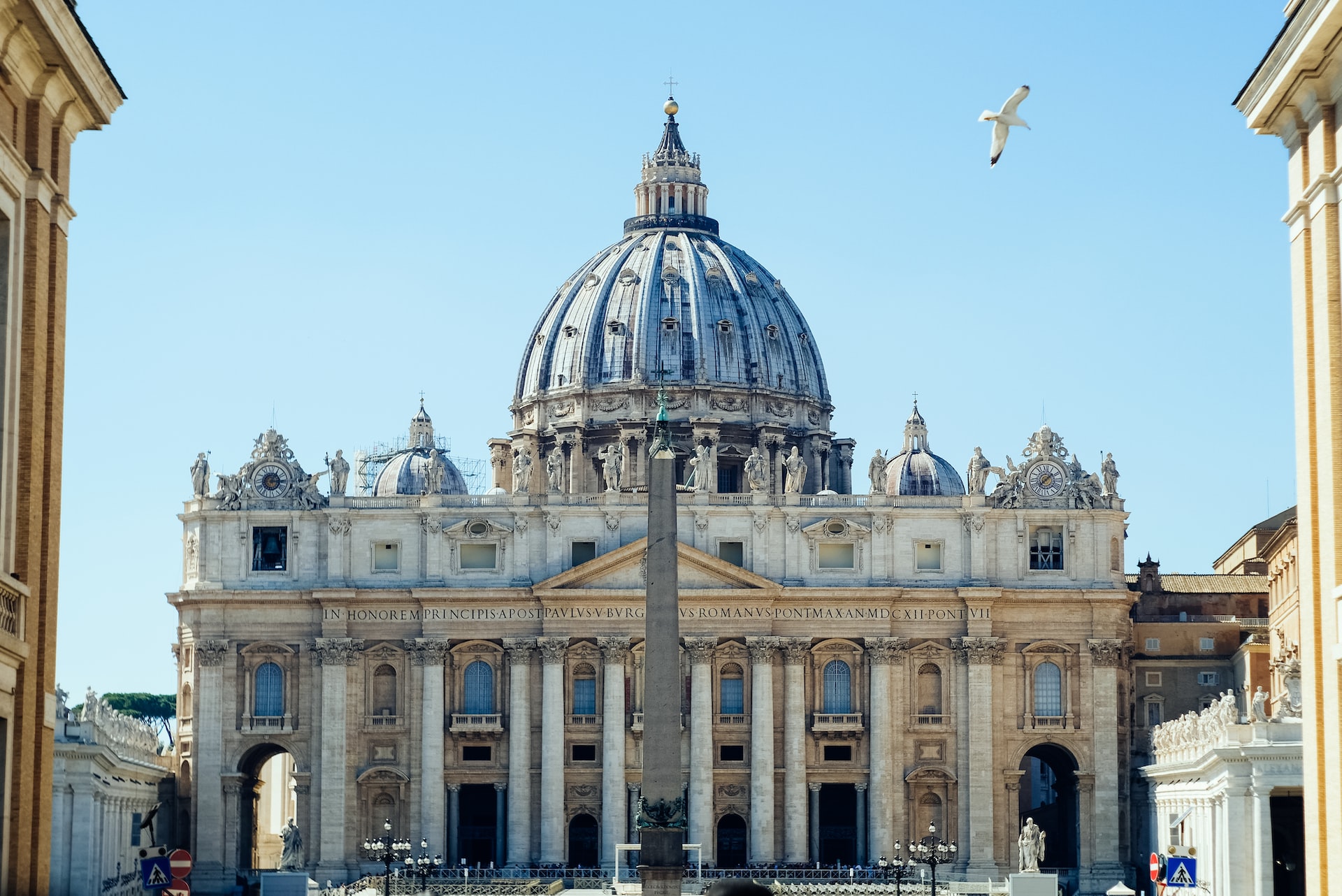
As if a day in Rome wasn't enough, we will take you for a private tour of the Vatican Museum and the Sistine Chapel! A private tour in Rome to remember Enjoy a full day tour in Rome and the Vatican City with your private luxury vehicle. Your personal tour driver will pick you up directly from any place you want, from your hotel or other. And your tour begins! Drive by Piazza Venezia,the impressive circular square, with buildings and monuments enclosing it. With the infamous Balcony from which Mussolini gave his speeches, on one side. Or L'Altare della Patria, Monument to the last king of Italy Vittorio Emanuele the Second, a giant marble white, ancient temple-shaped building that climbs on the side of one of Rome's legendary Seven Hills, Capitoline Hill. Also known as Campidoglio, it hosts incredible views of the Piazza Venezia on one side and the Roman Forum on the other, the perfect division between the ancient Roman past and the present. Speaking of Ancient Roman times, you will head for the Colosseum A stop to see the Mighty Colosseum up-close is definitely a must! Walk Ancient ways of the Roman Forum and Palatine Hill Drive by the Circus Maximus,a field used mostly for concerts and political events today, but it was once an arena used to entertain Romans while they watched and cheered during water spectacles, fights or reenactments. It was often used as movie sets, like in the film BenHur. To remain in the Roman theme, circle back around into the City Center, characteristic for it's narrow cobble streets that lead to so many wonders. Like the Pantheon! An ancient Roman Temple with a beautifully decorated dome and an incredible history. Created in ancient times, to worship All Gods, it is now one of the active Catholic churches in Rome. To learn more about the Pantheon, visit our blog! Then there's Piazza Navona, not to far from there. A Renaissance delight, with incredible architectures and beautiful fountains, like the Four Rivers fountain, by Bernini. The streets filled with cute little boutiques, old buildings, ivy crawling over the facades and window sills, reveal beautiful wonders, that you will not find in any other place on Earth! Like the Spanish Steps. A beautiful street with the famous sets of stairs that climb into the shape of a giant butterfly up to the square of Trinità dei Monti, which offers incredible views of the Spanish steps below and the busy Via dei Condotti, famous for the most in vogue haute couture stores. One of the adjacent streets hides possibly the most famous Fountain in the WORLD The Trevi Fountain is another mandatory stop. Embedded in a tiny little square, is the world famous fountain. With sculptures of different water related scenes, sea shells, dancing horses and Poseidon. Waterfalls and pools of crystal clear water. What an amazing work of art. Make sure to toss a coin over your shoulder and make a wish! Legend has it, it will guarantee your return in Rome. All this touring can sure work up an appetite! Lucky for you, all of our tour drivers not only know the perfect places to see in Rome, they also love food and know the best restaurants in town! So your tour driver will be happy to recommend the perfect restaurants, trattorias or pizzerias depending on what you are in the mood for. Finally, you driver will take you at the Vatican Museums where you will continue the tour to explore the Museums and the Sistine Chapel! Prepare to sigh! We dare to find something as beautiful as the Vatican Museums and Sistine Chapel *Upon request, we can arrange one of our qualified guides to take you to a once in a life time experience inside the Vatican Museums and Sistine Chapel. Other wise you will enjoy your time inside the Museums and Sistine Chapel alone, freely and at your own pace! Without having to stick to a strict itinerary a guided tour would inevitably have. Just know that depending on the number of visits in a day, some wings might be closed. But this won’t matter at all, we can assure you, there is just so much to see, you’ll hardly even notice! To fully assist you, we do offer the possibility of adding Skip the line tickets with privileged entrance directly during the booking process. At the entrance, the customer service will hand you a map of the site, for you to explore the different areas of the Museums and the Sistine Chapel! What you will experience would includes is a system of wings and halls and terraces, including the Cortile Della Pigna, Belvedere, Pio Clementino Museum, the Gallery of Candelabra, the Gallery of Tapestries, the Gallery of Maps, and Raphael’s Rooms. Next, you will visit the beautiful Sistine Chapel. The breathtaking, overwhelmingly beautiful creation for you to admire! From there, you'll head back to the exit, a trod on the famous cylindrical stair case. Another undisturbed masterpiece, called "Momo" designed by an Italian architect in the 1930s, inspired by Bramante's double helix staircase from the 1500s, inside the Pio Clementine Museum, a wing of the Vatican Museums. From the Momo stair case you'll exit the Museums to find your private tour driver eager to hear your opinions on the experience. And you'll return to your Hotel location in Rome in time for the afternoon tea.
price from €165.00
Exclusive Evening Vatican Tour: A Once-in-a-Lifetime Experience Experience the Vatican like never before on this exclusive private evening tour of the Vatican Museums and Sistine Chapel. Skip the crowds and enjoy a peaceful visit to some of the world’s most iconic masterpieces with Discovery Tours. No Crowds, No Lines Skip the long lines and enjoy exclusive evening access to the Vatican at 7:00 PM, when the usual crowds have dispersed. This private tour offers an intimate look at the Vatican’s treasures without the hustle of daytime visitors. A Magical Sunset Tour Your evening begins with a warm welcome from your private guide at the Vatican Museums entrance. As the sun sets over Saint Peter’s Dome, enjoy a peaceful view of the Pinecone Courtyard—a perfect start to your tour. Explore Renaissance Masterpieces Visit the stunning Candelabra Gallery and the Four Raphael Rooms. Marvel at the Tapestries Gallery and the Gallery of the Maps. Each gallery offers a glimpse into Italy’s rich artistic history, with your guide sharing fascinating insights. The Sistine Chapel: A Personal Encounter with Genius End your tour in the Sistine Chapel, where you can admire Michelangelo’s famous frescoes in peace. Without the crowds, you’ll have time to fully absorb the breathtaking beauty of the Creation of Adam and Last Judgment. A Perfect End to Your Day This private evening tour is the perfect way to end your day in Rome. Experience the Vatican’s masterpieces in peace and leave with unforgettable memories. Book your exclusive tour today and discover Rome’s artistic treasures in a whole new way.
price from €87.50
When Docking into Civitavecchia Port, you want to make sure to experience your time in Rome and Vatican the best way, with skip the line tickets! That's why we are here. To offer you the best possible experience of Rome and The Vatican in a day. Start off with one of our private tour drivers to greet you, directly at the dock of your cruise ship in Civitavecchia Port. After a brief introduction, you'll tour will start. Arrive in Rome to find hundreds of different sceneries in one setting, a mix of Ancient architectures, Nature and Modern infrastructure. All perfectly coexisting. Welcome to Rome on a private tour of Rome and Vatican! First off, Piazza Venezia to admire The Monument of the first Italian king. Furthermore, there’s Mussolini’s balcony, the Capitoline Hill (one of Rome’s seven legendary hills) and the Roman Forum. Make sure not to miss the Colosseum, Skip the line tickets included! After that, you’ll head to the Pantheòn, Trevi Fountain, the Spanish Steps, and enjoy the outstanding view of Rome from the Pincio Terrace, and Piazza Navona. After so many fantastic things you've already seen this morning, you'll have to "carb up" for the best part of your tour! The Vatican Museums, with skip the line tickets Your private tour driver will take you at the entrance, that unmissable doorway, surmounted by high walls and a distinctive plaque that says "Musei Vaticani" he will give you all the instructions on how to enjoy your time in the Museums completely along with the Sistine Chapel. At your own pace, to fully appreciate everything you'll see, without having to stick to a prearranged itinerary. You could also consider Audio-guides, with amazing explanations and virtual itineraries to choose from. For a personalized tour of the Vatican Museums and Sistine Chapel. This way you can enjoy visiting each chamber, admiring beautiful artifacts, statues, paintings and frescoes in any of the Museums inside the Vatican you'd like to see, entirely at your own pace! You can purchase your fun audio-guides at the booth right inside the Vatican Museums for a small fee. They will give you a map to the sites and a fun telephone-shaped device to listen to comprehensive, easy to understand and brief explanations. Spending your time in awe and your nose in the air! The most incredible beauty awaits! Visiting the Vatican Museums on your own, will allow you to visit the different wings , like Raphael's Rooms, Cortile Della Pigna, Belvedere, Gallery of Candelabra, the Gallery of Tapestries or the Gallery of Maps. And the Sistine Chapel. Just know that depending on the number of visits in a day, some wings might be closed. But this won't matter at all, we can assure you, there is just so much to see, you'll hardly even notice! Last but not least, on this Rome and Vatican tour, the magnificent Sistine Chapel! This incredible masterpiece, Michelangelo's heritage. We don't want to say too much about it, because we don't want to spoil the surprise. Just know that you will have some time, inside this chapel, to take a moment. To reflect on the overwhelming beauty. Take a seat in one of the chairs placed at it's sides, or stand in the middle and look up, to study the different details of the scenes and stories that have inspired the artist. Then you'll head to the exit, walking along the famous spiral stairwell. Still in awe, after the incredible experience. Finishing strong with a stop at Saint Peter's Basilica square, to admire the visual effects of the Colonnato, and the beautiful facades of the World's first church. Reach out to us, to learn about the entrance to the Basilica: If you'd like to enter Saint Peter, there is a fee to pay in advance for a entrance ticket. The fee per person is small and we will be happy to assist you with this. Just know, that a visit inside the Basilica, may require leaving a few items out of the itinerary that day. It is all about timing. And our priority and guarantee is a drop off back at the port in a timely manner. You'll reunite with your tour driver at the exit and then head back to Civitavecchia Port, to board your ship in perfect time.
price from €187.50


 +39 06.999.77.65
 +39 350.194.03.96
 info@discoveryguidedtours.com

 7 hours