Umbria doesn’t shout for attention. It doesn’t compete with the grandeur of Rome or the postcard drama of Florence. Instead, it invites you to slow down, to notice the way light settles on stone walls, how church bells mark time instead of traffic, and how entire towns seem designed for wandering without an agenda. Spending a day in Umbria is less about ticking off landmarks and more about absorbing a rhythm that feels stubbornly, beautifully unchanged.
This is a region best experienced at human pace. Even if you only have one day, Umbria has a rare ability to make time feel elastic. A morning can stretch into a long lunch, an afternoon into an unplanned detour, and before you realize it, you’ve experienced something that feels far richer than a simple day trip.
Often called Italy’s green heart, Umbria is the only region in central Italy without a coastline or an international border. That geographical isolation has shaped its character. Historically less exposed to mass tourism and large-scale trade routes, Umbria developed inwardly, preserving traditions, food culture, and urban layouts that feel deeply local.
The towns here are compact and vertical, built on hills for defense and community. Life revolves around central piazzas, weekly markets, and seasonal festivals. Even today, many Umbrian towns still function primarily for residents rather than visitors, which gives them a lived-in authenticity that’s becoming rare elsewhere.
A day in Umbria is ideal for travelers who value atmosphere over spectacle, silence over noise, and details over drama.
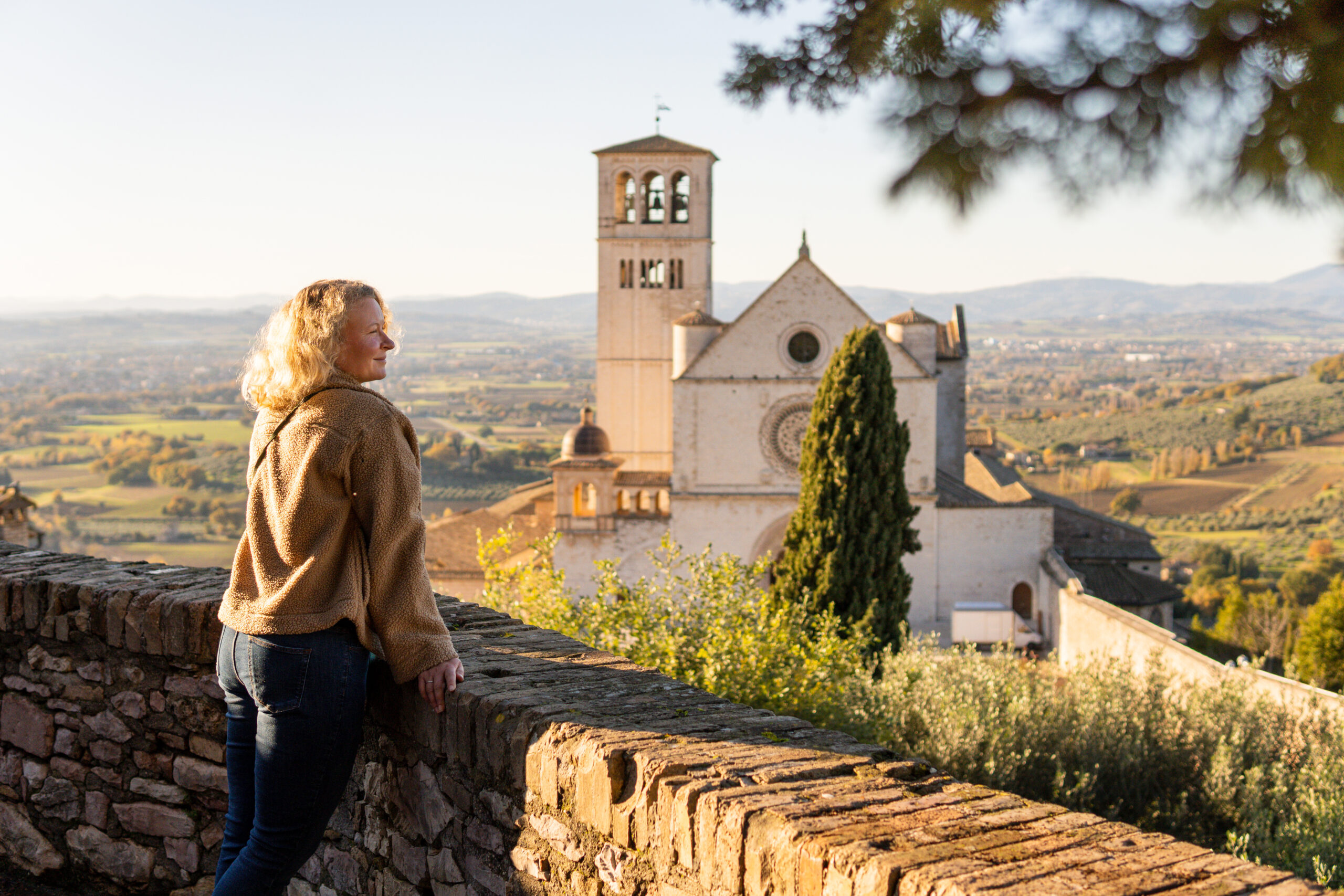
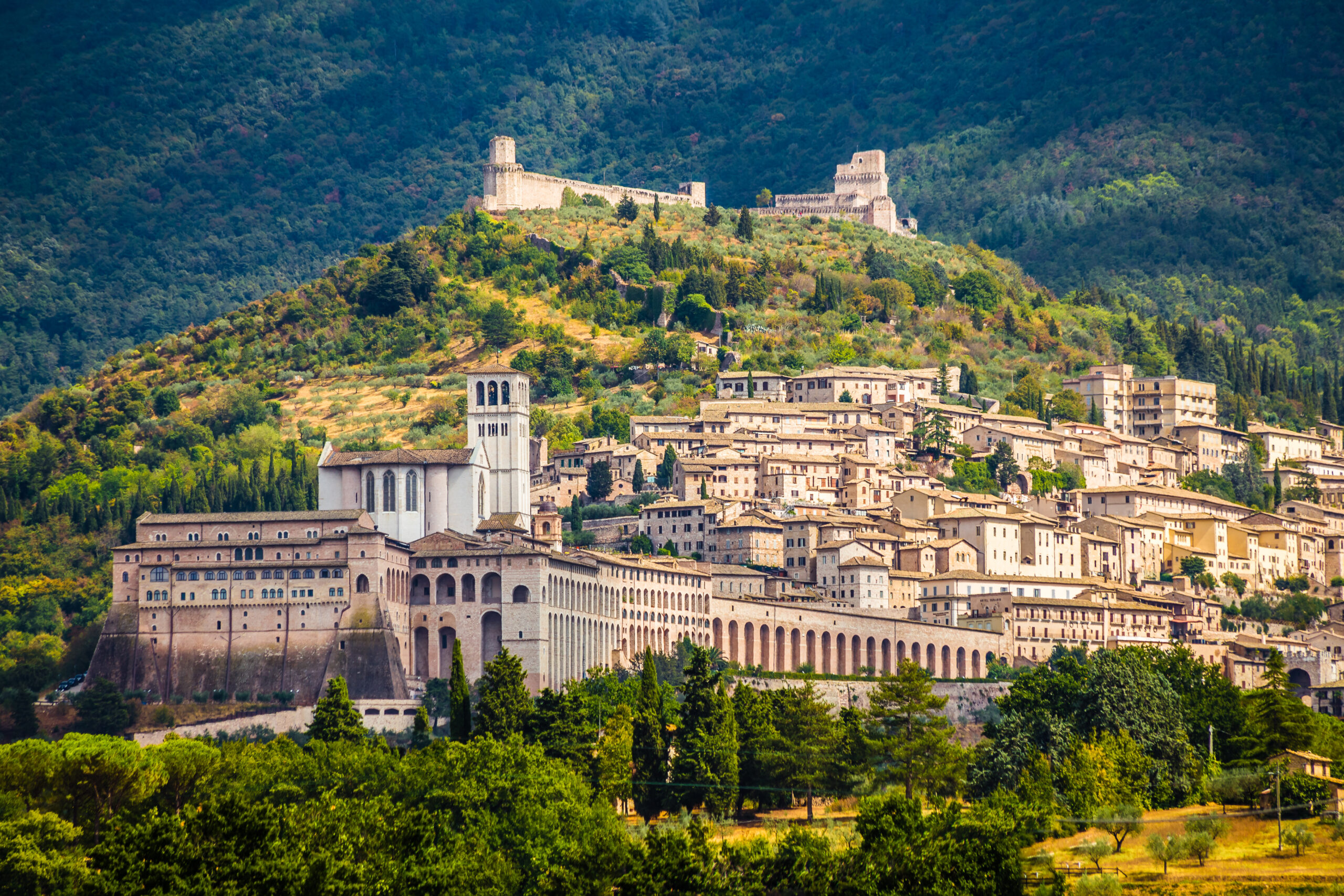
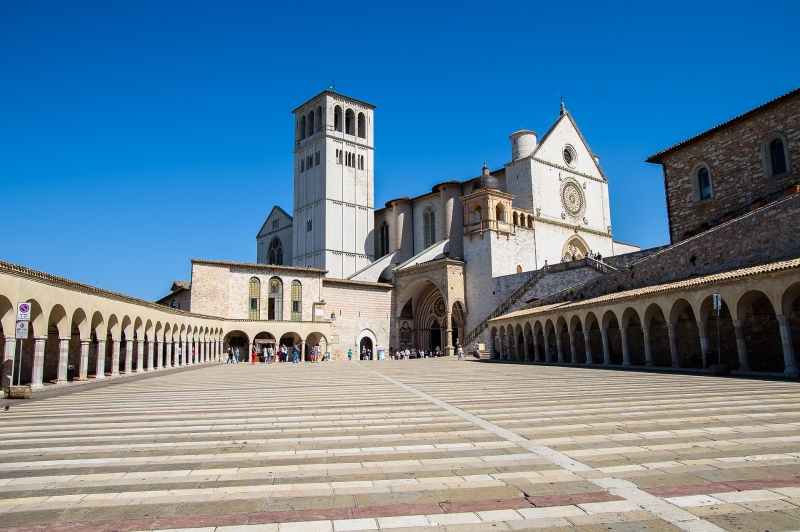
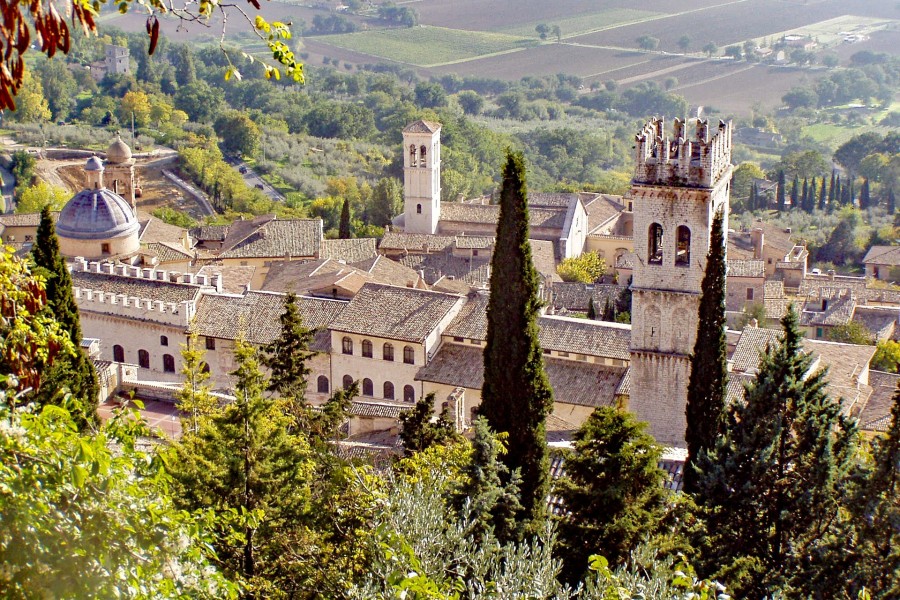
Starting the day in Assisi sets the tone perfectly. Known worldwide as the birthplace of Saint Francis, Assisi is far more than a religious destination. Its medieval architecture, pale-pink stone, and panoramic views over the Umbrian valley create an immediate sense of calm.
Walking through Assisi early in the morning, before tour groups arrive, is an experience in itself. Narrow streets curve gently upward, opening onto quiet squares and unexpected viewpoints. The town feels contemplative without being austere, spiritual without being heavy.
The Basilica of Saint Francis is undeniably the focal point, but what makes Assisi special is everything around it: artisan shops selling olive wood and ceramics, small cafés tucked into centuries-old buildings, and paths that lead just far enough from the center to offer sweeping countryside views.
Assisi rewards unhurried exploration. Even an hour spent simply walking, sitting, and observing is enough to understand why this town has drawn pilgrims and travelers for centuries.
No day in Umbria is complete without a visit to Orvieto, one of the region’s most striking cities. Rising dramatically on a volcanic cliff, Orvieto dominates the surrounding landscape and offers one of the most powerful visual experiences in central Italy.
The city is famous for its cathedral, a masterpiece of Gothic architecture, but Orvieto’s fascination goes much deeper. Beneath the surface lies a complex underground world of tunnels, wells, and caves that tell the story of centuries of adaptation and survival.
Orvieto combines monumental beauty with a lived-in atmosphere. Shops, wine bars, and small restaurants are woven naturally into the historic fabric, making the city feel vibrant rather than museum-like. It’s a place that impresses instantly, yet reveals more the longer you stay.
Continuing through Umbria, Spoleto offers a perfect blend of historyand landscape. Known for its strategic position and cultural heritage, Spoleto feels elegant without being formal.
The city stretches across a hillside, connected by medieval streets and stairways that reward exploration. One of its most iconic landmarks, the Ponte delle Torri, connects the old town to the surrounding countryside, offering breathtaking views over the valley below.
Spoleto’s atmosphere is refined but relaxed. It’s a city where history, architecture, and nature coexist seamlessly, making it an ideal stop on a well-paced day trip.
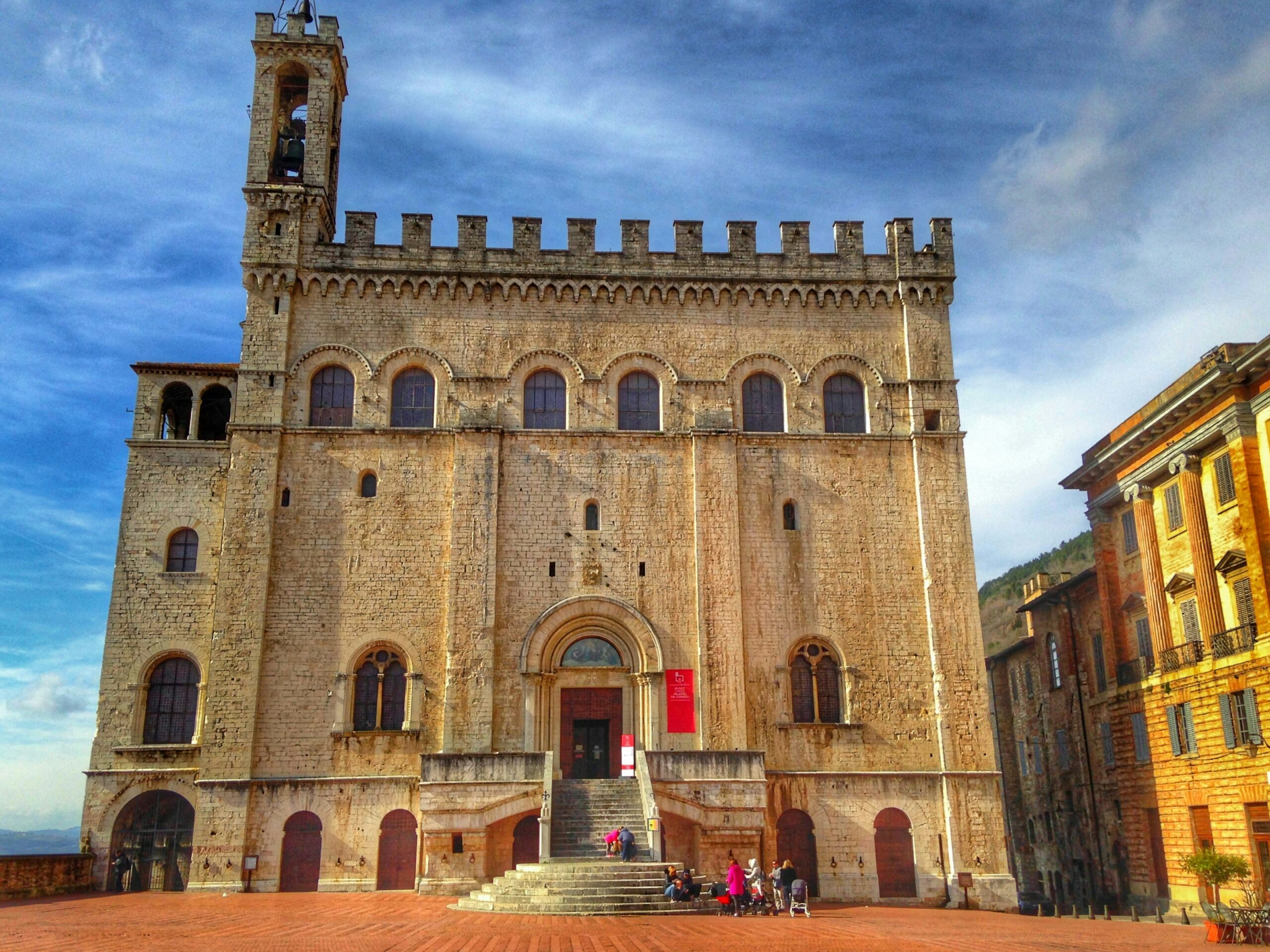
Gubbio is often described as one of Italy’s best-preserved medieval towns, and that description feels immediately accurate. Built on the slopes of Mount Ingino, Gubbio has retained a strong medieval identity, from its stone buildings to its steep streets.
Gubbio has a distinctive character — serious, authentic, and deeply connected to its past. Walking through Gubbio feels like stepping into another era, where traditions remain visible and history is part of everyday life rather than a distant memory.
Gubbio adds a powerful sense of depth to any Umbrian itinerary, offering a contrast to the softer elegance of other cities in the region.
As the regional capital, Perugia brings a different energy to the Umbrian experience. Thanks to its large student population, the city feels lively and contemporary while remaining firmly rooted in its past.
Perugia’s layered structure—Etruscan foundations, medieval streets, Renaissance palaces—creates a city that unfolds vertically and historically. Moving through Perugia often means transitioning between centuries in just a few steps.
Despite its size, the city retains Umbria’s characteristic balance. Piazzas invite lingering, cafés blend seamlessly into historic settings, and panoramic views open suddenly over the valley.
Umbria is also a region to be tasted. Its rolling hills are home to vineyards that produce distinctive wines, deeply connected to the land and local traditions. A wine-focused stop adds a sensory layer to the day, offering insight into Umbrian culture through flavors rather than monuments.
Wine tours in Umbria often combine vineyard visits with tastings, countryside views, and local products, creating a relaxed and immersive experience. Even within a single day, this aspect of Umbria helps complete the picture, connecting history, landscape, and gastronomy.
Reaching Umbria from Rome in just one day is easier than it might seem, especially with a well-planned itinerary that balances travel time and meaningful stops. Organized day trips allow you to explore charming towns, countryside views, and local traditions without worrying about logistics, driving, or tight schedules. Traveling with an expert guide also adds depth to the experience, turning a short visit into a true introduction to Umbria’s history and lifestyle.
If you want to make the most of your time and enjoy Umbria at a relaxed pace, booking a guided day trip from Rome with Discovery Guided Tours is the most comfortable and enriching way to experience the region in just one day.
you may be interested:
Your journey will begin with a trip through the hills and villages of the typical Roman Countryside. Before you know it, you’ll be immersed in the real Mediterranean culture. Escape from the usual, touristic routines and explore the Umbrian Region of this wonderful Italian Country! Quaint villages, still inhabited, by those who want to carry on the tradition of local customs, in the agricultural and historical field. But also artistically. You will visit the fantastic little village of Deruta. A small hill town, famous for its medieval predominance and artistic singularity. It is renowned Worldwide for its refined ceramic, maiolica and pottery production. It’s most popular style is the “Bella Donna”: incredibly beautiful paintings of women portrayed on typical ceramic plates, trimmed with colorful, floral patterns. We highly recommend a walk in the old part of Town, such a rustic charming atmosphere… Then make sure to stop at the “Antica Fornace”, the most Ancient Pottery Kiln, converted to workshop, where you can find millions of art pieces. Take a piece of this incredible land back home with you! Of course, the Umbrian region is also known for wine & olive oil production! For the perfect ending, your private tour driver will take you to an ancient winery for a private visit! The vineyards in this winery, are so ancient that the record books have them dated back to the year 217 b.C. The winery also hosts centenary olive trees. Take a guided tour of the vineyards and groves, with an off-road golf carts!! At the end of the tour, you will enjoy the breathtaking view from the terrace, appreciating a selection of local wines and none filtered olive oils, to sample with culinary samples and bruschettas. At the end of such a captivating experience, your tour driver will take you back to your hotel in Rome.
price from €125.00
Travel in leisure ON this private transfer from Fiumicino (FCO) Airport to your destination in the Umbria Region! Whether you are located in Perugia, Assisi, Cascia, Gubbio or anywhere else in Umbria, we will take you from where you need directly to your destination. A private deluxe vehicle and personal driver make this experience more enjoyable Our fleet of expert drivers always guarantee an exceptional service: Full assistance On-time pick up and drop off Comfortable ride Completely private and tailored to your needs One of our highly qualified professionals would pick you up in a per-arranged meeting point in FCO Airport. After a brief introduction, you can expect full assistance with your luggage, comfortable spacious travel on a deluxe vehicle from our fleet (arranged exactly to fulfill your needs: luggage space required, personal requests, etc.) and a journey to your destination by-passing some truly remarkable landscapes. Afterall, Umbria is not called "The Green heart of Italy" for nothing. Arrive to your destination and be dropped off at your requested location. Don't stress over what public transportation to catch, to get from point A to point B. You have us to take care of logistics, with pick up and drop off directly at your requested place, in a timely, comfortable fashion. You just sit back and enjoy the ride. What a marvelous way to start a Italian Vacation. Book your Airport transfer today!
price from €125.00
This private transfer is ideally suited for cruise passengers finishing their cruise at the port of Civitavecchia and wants to reach Umbria and its surrounding areas in absolute comfort and relax. You will avoid queues or search for a regular taxi and you will start your Umbrian vacation in absolute relax by booking this private transfer from the dock beside your cruise ship in Civitavecchia to your hotel or any other place of your convenience to your Umbria destination as Orvieto, Assisi, Gubbio, Perugia and surrounding area. Upon request we offer possible options to stop and visit some beautiful towns along the way which otherwise you would probably miss. This transfer service can be scheduled also vice-versa. We guarantee punctual and comfortable arrivals and departures, all our drivers are highly experienced, knowledgeable and professional. All our vehicles carry full insurance and are licensed as required by Italian law.
price from €107.50
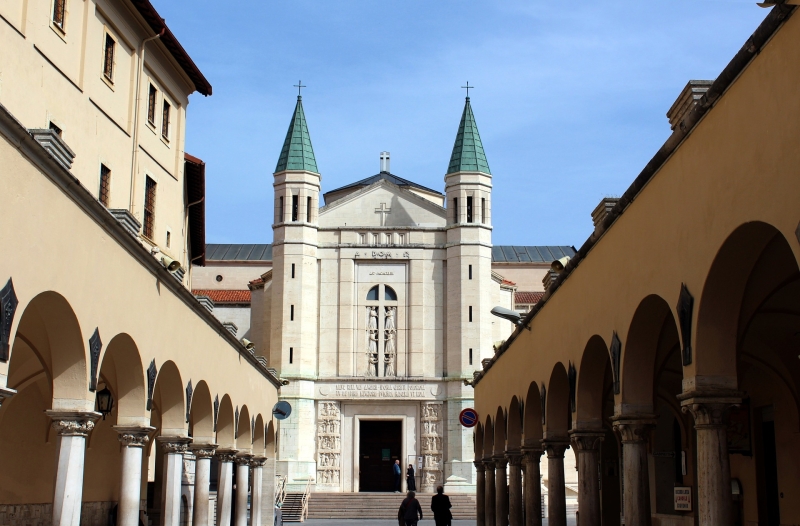
Step right into the tranquil atmosphere of the typical Umbria region in Assisi. Here, faith and history are twined together in the stories of Saint Francis of Assisi and Blessed Carlo Acutis —Even in different centuries, they continue to inspire the World the same way; with a strong message of peace, devotion and simplicity. Your Journey to the Heart of Umbria Begin the trip with a comfortable ride from your location in Rome's city center, through the rolling hills of Umbria. As you enjoy the scenery, your driver will share stories about the region’s traditions and Saints Approaching Assisi, you will first notice the beautiful landscapes and that infinite stretches and slopes that expand at the feet of this ancient Medieval Town. Its towers, limestone streets and architectures will catapult you in a different era. Guided Tour of Assisi (3 Hours) Without wasting anytime, your tour driver will escort you to meet your local guide, an expert on Assisi's most emblematic and significant sites, their history, traditions and strong connections with St. Francis and Blessed Carlo Acutis. Some of the sites you can see (your tour guide will arrange the perfect itinerary for you): Basilica of Saint Francis of Assisi A UNESCO World Heritage Site and one of the world’s most important pilgrimage destinations. It hosts stunning artwork and facades, frescos that display the life of the famous Saint Francis. And lower Church, inside of which beautiful decorated arches and altars bow before the Tomb of Saint Francis. Basilica of Saint Clare Dedicated to Saint Clare, Francis’s first follower and the founder of the Order of the Clarisses (or poor Clares). This church hosts the Crucifix of San Damiano, the same cross that spoke to Saint Francis and inspired his mission to rebuild the Church. Along with other relics. Sanctuary of the Spoliation (Church of Santa Maria Maggiore) A finely decorated 12th century church built on the site of an Early Christian Church. In the crypt the architectures are the ones of a 10th Century church, with Romanesque Columns and arches. This is the resting place of Blessed Carlo Acutis, a young man from Milan who devoted his short life to sharing his love for the Eucharist through modern technology. Known as the “Millennial Saint,” Carlo, who died at 15, created a website cataloguing Eucharistic miracles around the world, showing how holiness can shine even in the digital age. Sharing his faith with fellow teenagers and young generations of Christians. Free Time for Lunch and Exploration Assisi is the perfect place to reconnect with one self. After you say goodbye to your guide and reconnect with your tour driver, explore this wonderful town at your own pace. Enjoy the views of this typical Italian town of the Countryside. Stone houses, narrow streets, friendly and inviting atmosphere. If you wish, browse the artisan shops for olive wood carvings, handmade rosaries, or delicate ceramics. Or find a quiet spot, sit for a moment, and just feel the peace that fills this sacred place. For lunch, your tour driver will be happy to make some recommendations on where to sample delicious local foods. You return to the city carrying more than memories: the spirit of simplicity, joy, and faith that continues to touch hearts across the centuries.
price from €150.00
A day trip to the timeless treasures of Assisi and Gubbio Enrich your Roman vacation with this wonderful journey through the rolling hills of Umbria. On this day trip from Rome, you will explore the beautiful gems of Assisi and Gubbio. Discover an ancient medieval allure and natural beauty this area has to offer. Where winding green hills embrace the architectures, art and history in a perfect blend for all to admire. Assisi, a sacred land on Earth After your tour driver has picked you up from your hotel in Rome, he will share all sorts of anecdotes and fun facts on your way to your first destination. Assisi: A UNESCO World Heritage Site, and birthplace of the patron Saint of Italy, St. Francis. What to see in Assisi, you absolutely cannot miss: The Basilica of St. Francis: With stunning frescoes by Giotto, it is the perfect place to learn more about the life of the Saint. Santa Chiara: Built in the 13th century, it houses her tomb and the famous San Damiano Crucifix. The basilica's design is simple yet elegant, reflecting the spirituality of this Saint and her order. It remains an important pilgrimage site. San Damiano: a small church near Assisi, where St. Francis had a vision of Christ asking him to "rebuild my church," inspiring his mission. Later, it became home to St. Chiara (Clare). Known for its simplicity, it remains a peaceful site of spiritual reflection. Porta San Giacomo: It is one of the ancient Gates of Assisi. It dates back to the Middle-Ages and it links the Basilica of Saint Francis with the rest of the town. From here you can enjoy the breathtaking views, the architectures and the tranquility of the lifestyle Piazza del Comune: In this heart of the village, you will be surrounded by the typical Medieval charm that is common in this region. Such a rustic environment, you can feel it’s historical beauty. The setting is beautiful, ancient wonder perfectly in tune with olive groves and beautiful landscapes. The journey continues to the Enchanting Gubbio Next, travel to Gubbio, one of the most well-preserved medieval towns in Italy. The mind-blowing architectures are nestled in the hills of the countryside, province of Perugia. The views of the mountains are going to take your breath away. Some of the best things to visit in Gubbio is certainly Palazzo dei Consoli is one of the many things you can see there. Take a look at this imposing Gothic palace with its impressive museum and panoramic views. A stop at the fantastic Gothic Cathedral of Gubbio is absolutely required. The town's panoramic Belvedere is only a few minutes away. The Cathedral hosts beautiful architectures, paintings and frescos. You can then visit the Basilica di Sant’Ubaldo, a lovely church perched on top of the hills over Gubbio. Take the cable car! For a bird’s-eye view of the town and the surrounding landscapes. On top of the hill, near the church, is a quaint restaurant, perfect to enjoy a local meal with a view. (if it’s not too windy, we highly recommend) Stroll along the narrow alleyways, discover artisan shops, and delight in local specialties like crescia (a savory flatbread). At the end of the day, your tour driver will take you back to Rome and to your drop off location. Whether you’re a history enthusiast, art lover, or simply seeking a serene escape from Rome, this day tour promises unforgettable moments. From Assisi's spiritual serenity to Gubbio's enchanting atmosphere, your journey will leave you inspired and reconnected with the timeless beauty of Italy.
price from €150.00
Luxury Day Trip from Rome to Orvieto and Assisi – A Journey Through Italy’s Timeless Heart What can you see on a day trip from Rome to Orvieto and Assisi? Trade in Rome's energetic vibe with the peaceful living of Umbria. With it’s intertwining of landscapes, hilltop villages, art, spirituality and Centenary traditions, you will see Orvieto and Assisi In Orvieto, a charming town perched on a cliff, you will have time to explore and browse its artisanal shops, selling local products. Traditional local foods, go great with wine! Orvieto is also excellent in wine making. The architectures and the town's history is favorable to the entire wine process. Fun facts about Orvieto This idyllic little village is full of surprises, in fact. Its history dates back to ancient Etruscan times, far before the Romans made it a commercial settlement. Orvieto's undergrounds are entirely carved in stone, in an intricate system of caves and tunnels. What was once a strategy solution for the ancient inhabitants, is now an exceptional resource for wine storage and aging. Many cellars are created this way in Orvieto’s wine country. You can consider visiting the Undergrounds of Orvieto, to fully grasp the ingenious concept behind such an elaborate realization. And you cannot miss Orvieto’s Gothic Cathedral; it has a beautiful façade adorned with golden mosaics, the narrow cobble stone streets that lead to the square in front of this church, make for the perfect photo stop. Have lunch in Orvieto or on the way to your next destination: Assisi If Assisi isn’t on your Italy bucket list, you might want to add it now! It cannot be missed. This charming little village is nestled in one of the most researched itineraries off the beaten paths. It is certainly a unique village, built in layers through narrow streets and fascinating architectures, hosting beautiful churches, gardens and squares; where everyone is friendly and traditionally the food and wines are great too. What more could you need? It attracts millions of visitors year-round; researching the tranquility only places as these can offer. Many are pilgrims from all over the World. Assisi, the birthplace of St. Francis, one of Italy’s most beloved Saints. To explore the religious path of Assisi, we definitely recommend the Basilica of Saint Francis. It's a UNESCO World Heritage site, and it is decorated with beautiful, important art work. Another note worthy sites is the Church of the Spoliation, where Saint Carlo Acutis (a newly proclaimed saint who spread the Gospel through modern tools) is laid to rest. It was his wish to be buried in Assisi, in great devotion to Saint Francis. His message of faith and hope continues to inspire. A fun, exciting, memorable all-day commitment This day trip usually lasts about 10/11 hours including travel time. It takes about 1.5 hours to get from Rome to Orvieto and another hour and a half from Orvieto to Assisi. The itinerary is entirely flexible and it is created in order to guarantee the smoothest, most relaxing day, without rush. And of course, the excitement of exploring new places. This private tour to Orvieto and Assisi is absolutely worth considering You can count on the comfort and exclusivity of a private tour driver and deluxe transportation just for you, as you navigate this charming area of Italy. You will discover how art, faith, natural beauty, coexist perfectly in this great region of Umbria. Trade the stress of planning and the hustle of group a tour, with this personal experience, tailored from beginning to the end. Experience Umbria in Style You won’t have to stress over planning your day down to the last detail. This trip is the perfect example of how one can combine culture and tranquility. Perfect for discerning travelers who are ready to see Italy beyond Rome, while enjoying a seamless, first-class experience. And the best part is, that your day in Orvieto and Assisi will be planned for you. It'll be done and taken care of. Your only job will be to have a great time and make memories.
price from €150.00
Daytrip from Rome: Assisi and Cascia Experience a taste of Umbria’s spiritual and historical treasures on this brief but meaningful day trip from Rome to Assisi and Cascia. Though these towns are not close to each other, a carefully planned itinerary ensures you can visit both while savoring their unique charm and significance. Assisi: The Timeless Legacy of St. Francis Begin your day with a quick visit to Assisi, a hilltop town steeped in spirituality and history. Known worldwide as the birthplace of St. Francis, the town exudes an air of peace that has made it a pilgrimage destination for centuries. What is there to see in Assisi? the Basilica of St. Francis, a UNESCO World Heritage Site. This awe-inspiring basilica, split into two levels, showcases some of the most celebrated frescoes in Western art. Works by World renowned masters vividly illustrate the life of St. Francis and his message of humility and love for all creation. Stroll along the Via San Francesco A picturesque street lined with stone buildings, artisan shops, and cafes, to reach the Church of Santa Chiara, dedicated to St. Clare, one of St. Francis’s closest followers. This beautiful pink-and-white church holds her relics and the famed crucifix that is said to have spoken to St. Francis. For those with a love of nature, make a quick stop at the Eremo delle Carceri. This tranquil retreat was where St. Francis and his followers prayed and meditated, surrounded by the stillness of nature. In between visits enjoy a quick bite to eat in a local café, indulge in some local street food such as Porchetta Sandwiches. A succulent, herb-stuffed, slow-roasted pork, is a local favorite. Stuffed into crusty bread, it creates a hearty and flavorful sandwich. Or the Arvoltolo, A fried dough snack similar to a savory pancake, dusted with sugar, or topped with local cured meats and cheeses. Cascia – A Haven of Hope and Miracles After taking in the wonders of Assisi, journey through the scenic Mountains to Cascia, a picturesque town perched in a tranquil valley. Cascia is famously associated with St. Rita, one of the Catholic Church’s most beloved saints. Here you can visit the Basilica of St. Rita, a modern yet elegant sanctuary that holds the saint’s remains. Pilgrims from around the world visit this sacred site to seek her intercession and draw inspiration from her remarkable life, which was marked by forgiveness, devotion, and perseverance in the face of great suffering. Take a moment to visit the Monastery of St. Rita, where she spent much of her life in prayer and service. The town itself invites you to wander its quiet streets, where time seems to slow down, allowing for peaceful reflection. In conclusion, both Assisi and Cascia are the keepsakes of religious relevance. Aside from pilgrims from all over the world, these towns welcome visitors that are looking to enrich their knowledge of the Italian Countryside, with mesmerizing architectures, breathtaking views and nestled in the glorious hills of central Italy. After your day trip to Assisi and Cascia, your tour driver will take you back to your location in Rome.
price from €165.00
Discover the Charms of Umbria: Private Tour of Perugia and Assisi Embark on a scenic journey north of Rome into Umbria, one of Italy’s most enchanting and smallest regions. Known for its abundant landscapes, medieval towns, and cultural treasures, Umbria promises a unique experience brimming with art, religion, history, and culinary delights. Your private tour driver will welcome you in your requested location in Rome. From there, it's a straight drive to your first destination. A Sweet Welcome in Perugia Your first stop is Perugia, a city rich in art, history, and chocolate! Begin your exploration by marveling at iconic landmarks such as the Maggiore Fountain, an elegant medieval fountain adorned with intricate sculptures; the Basilica of San Lorenzo, a striking Gothic church; and the historic Town Hall housed in Palazzo dei Priori, a grand symbol of the city’s medieval glory. Perugia is also famous for its exceptional chocolate. Don’t miss the chance to sample the legendary Italian Chocolate, Italy’s "chocolate kisses," renowned worldwide. If you're visiting in October, indulge in Eurochocolate, a renowned chocolate festival where you can sample unique creations and learn about Perugia’s chocolate-making traditions. For a deeper dive into the art of chocolate, consider a tour of the Chocolate Factory to witness the craftsmanship behind these delectable treats. Celebrate Music and More in Perugia Beyond its chocolate, Perugia hosts other cultural events throughout the year. The internationally acclaimed Umbria Jazz Festival is a highlight, bringing together some of the world’s finest jazz musicians each summer. This lively event fills the streets with vibrant sounds, adding to the city’s already spirited atmosphere. All in all, this lovely town, Perugia, is a fantastic place to visit all year round. Aside from these specific events. Where you can savour unique local products, architectures, and life style Journey to the Spiritual Heart of Assisi Assisi, a spiritual and historical gem nestled in the hills of Umbria, offers an experience rich in art, history, and tranquility. Known worldwide as the birthplace of St. Francis, it draws visitors not only for its religious significance but also for its medieval architecture, natural beauty, and cultural heritage. Key Highlights of Assisi 1. Basilica of St. Francis This UNESCO World Heritage site is the focal point of Assisi, with its upper and lower churches adorned by frescoes from master artists like Giotto and Cimabue. These artworks depict the life of St. Francis and are considered masterpieces of Italian Gothic art, offering insights into the saint’s life and legacy. The basilica also houses his tomb, a place of pilgrimage and reflection. 2. Basilica of Santa Chiara Dedicated to St. Clare, a devoted follower of St. Francis, this basilica is known for its striking pink and white stone facade. It preserves her remains as well as the original crucifix that inspired St. Francis's mission. Inside, the basilica offers a serene atmosphere and beautiful views of the surrounding valley. 3. Eremo delle Carceri Located on Monte Subasio, this hermitage is where St. Francis and his followers would retreat for meditation. Surrounded by tranquil woods and caves, Eremo delle Carceri is ideal for a quiet walk or personal reflection, capturing the spirit of simplicity that St. Francis cherished. 4. Rocca Maggiore This 14th-century fortress, perched above Assisi, provides a glimpse into the town’s medieval past. With its towers and walls still intact, Rocca Maggiore offers panoramic views of Assisi and the surrounding countryside, creating a memorable spot for history enthusiasts and photographers alike. 5. Piazza del Comune This lively square is home to several historical sites, including the Temple of Minerva, which dates back to Roman times and has been converted into a church. Surrounded by cafes and shops, Piazza del Comune is a great spot to experience the local ambiance. 6. Santa Maria degli Angeli Just outside Assisi, this basilica is notable for housing the Porziuncola, the tiny chapel where St. Francis founded his movement. The basilica, one of Italy’s largest, blends simplicity with grandeur, reflecting the spirit of St. Francis’s message. These attractions together create a multifaceted experience in Assisi, blending art, spirituality, and nature in a way that captures the essence of this iconic Italian town. These graceful attractions and serene atmosphere are a fitting end to your day of exploration in Umbria.
price from €106.50
Enjoy a relaxing, smooth ride in a comfortable, air-conditioned Luxury Vehicle for your private transfer from Rome Hotel to your destination in Assisi. The best solution to reach your destination: Private deluxe transportation, personal driver to suite your every need and customization, to make your road trip more enjoyable. This transfer service can be scheduled also vice-versa. To make sure we offer you our best possible solution, we always recommend to let us know the size and quantity of luggage, so that we can fully satisfy your every need for a comfortable, relaxing private transfer. With our transfer service just relax, and enjoy the ride, let us take care of the rest.
price from €87.50
Discover Umbria, one of the smallest Italian Regions, but still breathtakingly beautiful, called the Green heart of Italy. As you travel through the typical landscapes you will reach Perugia, World famous for its chocolate productions. Once in Perugia you will see the Maggiore Fountain, the gothic Basilica of San Lorenzo and the Town Hall within Palazzo dei Priori. Perugia is also known for an intense chocolate production. The traditions behind this delicious product are quite ancient and very interesting. All sorts of Chocolate-related events take place here. Like the “Euro-chocolate". Where contenders from all over Europe reunite in Perugia to share their local productions and cultural traditions in the art of making chocolate and sweets! This happens every year in October, attracting thousands of chocolate lovers and enthusiasts from all over the World. Normally it lasts a few weeks, until October 22nd, approximately. But aside from these particular events, there are chocolate related things you can do all year round here. For example, why not take advantage of your time in Perugia, by browsing the many Chocolatier boutiques? Aside from the Architectures and landmarks, make sure to do a little "shop and taste" in the artisanal chocolate shoppes. A special box of delicious craft chocolates of every kind, would be a perfect souvenir to take back home from Perugia, the Switzerland of Italy (when it comes to chocolate of course)! After visiting the splendid town, your tour driver will take you to visit one of the numerous wineries in the area. Explore the estate, tour the cellars and take in the beautiful scenery from the vineyards. Let the owners guide you through an exciting experience, taste a selection of their finest wines, EVO Olive oil and other local products like cured meats and cheeses to pair or not to the tasting. A private wine tasting to sample some local wines is the perfect cap to the perfect day. After such a delightful experience, your personal tour driver will take you back to Rome on a pleasant, leisurely drive through the green heart of Italy.
price from €120.00


 +39 06.999.77.65
 +39 350.194.03.96
 info@discoveryguidedtours.com

 9 hours