Few places in the world manage to concentrate art, religion, politics, and history as powerfully as the Vatican. Even travelers who are not particularly religious often describe their visit as overwhelming—in the best possible way. In less than half a square kilometer, the Vatican offers centuries of masterpieces, theological symbolism, and stories that shaped Western civilization.
Understanding what you’re seeing, however, makes all the difference. Without context, the Vatican can feel like an endless sequence of rooms, paintings, and crowds. With the right perspective, it becomes a carefully layered narrative where art, faith, and power constantly interact.
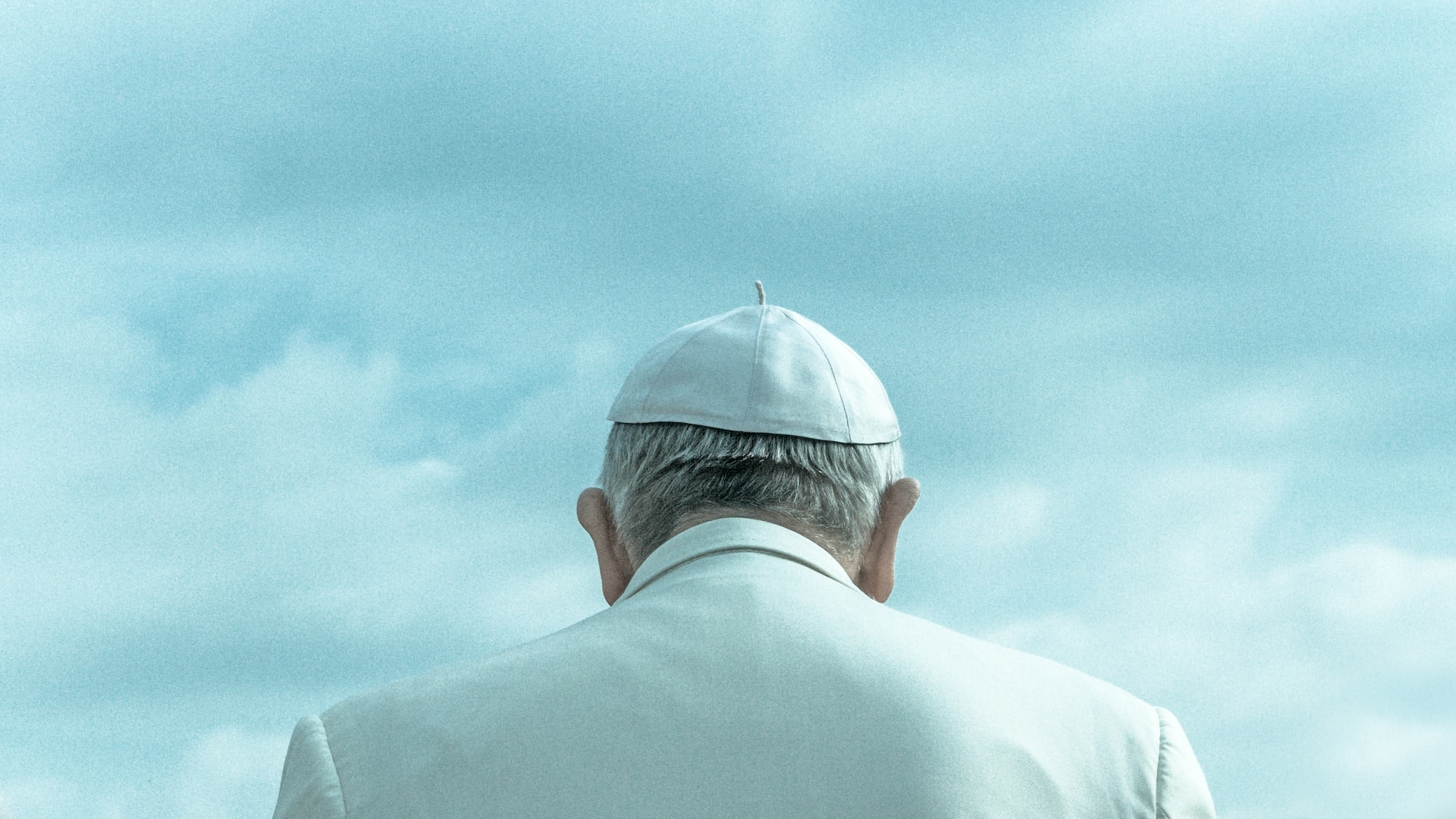
The Vatican is both a spiritual center and a sovereign state. Officially known as Vatican City, it is the smallest independent country in the world and the headquarters of the Roman Catholic Church. It is home to the Pope and functions as the administrative and symbolic heart of Catholicism.
At the same time, it is one of the most important cultural institutions on the planet. The Vatican preserves and displays art commissioned over centuries by popes who understood the power of beauty as a tool for communication, devotion, and authority.
This dual identity—faith and culture intertwined—is what makes a visit to the Vatican so unique.
The Vatican matters for three main reasons, each deeply connected to the others.
From a religious perspective, it is the seat of the Pope and the spiritual reference point for over a billion Catholics worldwide. From a historical angle, it has been a key player in European politics, diplomacy, and intellectual life for more than 1,500 years. Artistically, it contains one of the greatest concentrations of masterpieces ever assembled.
Popes were not only religious leaders; they were also patrons, strategists, and visionaries. Their decisions shaped the skyline of Rome and influenced the direction of Western art, especially during the Renaissance.
The journey usually begins at the Vatican Museums, a vast complex of galleries, courtyards, and corridors that can feel intimidating at first glance.
The Museums are not a single collection but a sequence of collections accumulated over centuries. They include ancient Roman statues, Egyptian artifacts, Renaissance frescoes, tapestries, maps, and modern religious art.
Rather than trying to “see everything,” it helps to understand that the Museums were designed as a processional path, gradually preparing visitors—intellectually and emotionally—for the Sistine Chapel.
Among the many sections, some stand out for both artistic and historical significance.
The Gallery of Maps offers a spectacular visual representation of Italy as it was known in the 16th century, revealing how geography, politics, and art were closely linked. The Raphael Rooms showcase the work of Raphael and his workshop, blending classical philosophy and Christian theology into perfectly balanced compositions.
Each room builds toward a climax, both visually and symbolically.
The moment you enter the Sistine Chapel, conversation stops almost instinctively. Despite the crowds, there is a shared sense of awe.
Painted primarily by Michelangelo, the ceiling is not just a display of technical brilliance. It is a complex visual theology that tells the story of humanity—from Creation to Fall to the promise of salvation.
The famous Creation of Adam is only one small part of a much larger narrative. Surrounding scenes, prophets, and ignudi figures create a rhythm that guides the viewer’s gaze across biblical time.
Painted years later on the altar wall, the Last Judgment shocked contemporaries with its emotional intensity and nudity. It reflects a darker, more dramatic vision of faith, influenced by political turmoil and religious reform.
Understanding this context transforms the fresco from a shocking image into a deeply personal statement by an artist wrestling with belief, fear, and redemption.
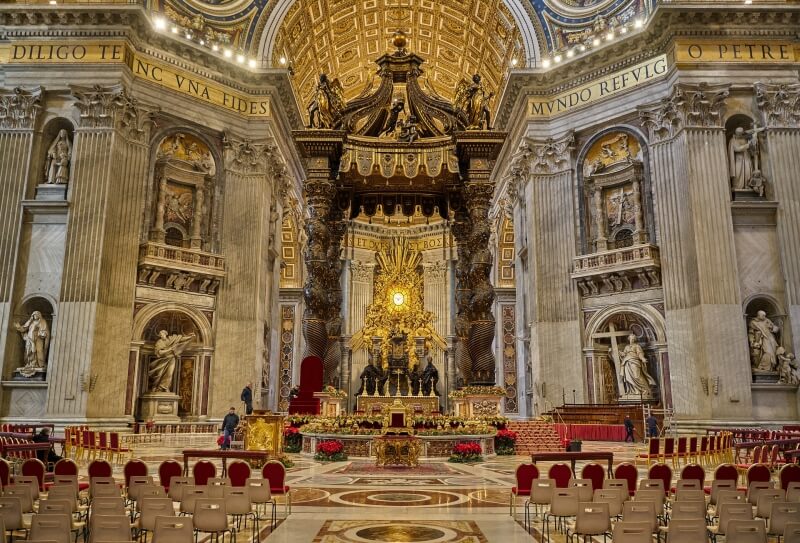
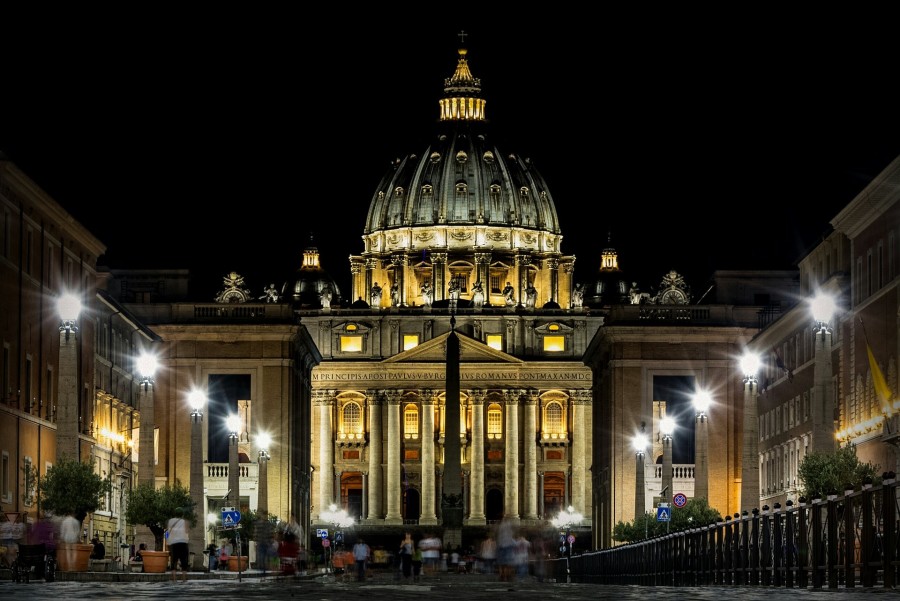
After the Sistine Chapel, visitors usually exit directly into St. Peter’s Basilica, the largest church in the world and one of the most ambitious architectural projects ever attempted.
Built over the tomb of Saint Peter, the basilica was designed to embody the authority and universality of the Church. Every element—scale, light, materials—serves to inspire reverence.
Inside, artworks are integrated into the structure rather than displayed like museum pieces. Michelangelo’s Pietà, for example, is not just admired; it is contemplated in silence.
While faith is central to the Vatican’s identity, its artistic and historical value transcends religious boundaries. Many visitors come primarily for Renaissance art, architecture, or history and leave with a deeper understanding of how belief shaped culture.
The Vatican can be appreciated on multiple levels at once. You can experience it as a museum, a historical archive, an architectural marvel, or a spiritual place—sometimes all in the same room.
A rushed visit can take as little as two hours, but it often feels overwhelming and incomplete. A more balanced experience typically requires at least half a day, allowing time to absorb key spaces without fatigue.
Those interested in art history or theology may easily spend an entire day between the Museums and the Basilica. Understanding this helps set realistic expectations and reduces frustration.
The Vatican is one of those places where how you visit matters as much as what you see. Exploring it on your own can be impressive, but without context it’s easy to miss meanings, symbols, and connections that turn masterpieces into a coherent story.
A well-planned guided experience allows you to move through the Vatican Museums, the Sistine Chapel, and St. Peter’s Basilica with clarity, avoiding unnecessary stress and making sense of what you’re seeing.
If you want a visit that goes beyond surface-level sightseeing—saving time, gaining deeper insight, and experiencing the Vatican as a unified journey— booking a Vatican tour with Discovery Guided Tours is one of the most effective choices.
Expert guides, skip-the-line access, and a carefully structured itinerary transform a complex site into an engaging, memorable experience that truly brings art, faith, and history together.
you may be interested:
Discover the Wonders of the Vatican on a Private Tour Embark on an unforgettable journey through Vatican City, home to some of the world’s most treasured masterpieces. This exclusive private tour offers an in-depth exploration of the Vatican Museums, the Sistine Chapel, and St. Peter’s Basilica, guided by one of our highly qualified and specialized experts. Skip the Lines for a Privileged Experience Your tour begins at the Vatican Museums Entrance, where you’ll meet your personal guide and enjoy access with privileged entry tickets. To guarantee you spend your time immersed in the wonders of the Vatican rather than waiting in long queues. Marvel at Masterpieces of Art and History Step into a world of artistic triumphs created by Michelangelo, Raphael, Bernini, and other masters of the Italian Renaissance. Explore the stunning frescoes of The Four Raphael Rooms and other legendary works that highlight the profound connection between art and Christianity, and their impact on society through the centuries. Experience the Awe of the Sistine Chapel The pinnacle of your private tour is the Sistine Chapel, a space that exudes overwhelming beauty and significance. Stand in awe before Michelangelo’s legendary masterpiece, “The Creation of Adam”, a symbol of human creativity and divine inspiration. Visit the Heart of Christianity: St. Peter’s Basilica Conclude your journey at St. Peter’s Basilica, the spiritual and architectural heart of the Catholic faith. Marvel at Michelangelo’s poignant marble sculpture, The Pietà, and Bernini’s magnificent bronze altar. Your guide will share the stories behind these extraordinary works, enriching your appreciation of their cultural and religious significance. Explore St. Peter’s Square Wrap up your experience by visiting the World-famous St. Peter’s Square, where history and spirituality converge. Here, take a moment to soak in the grandeur of Vatican City, leaving you with memories of an extraordinary encounter with history, faith, and art. This exclusive private tour guarantees an immersive, tailored experience that reveals the Vatican’s unparalleled treasures, ensuring it becomes a highlight of your visit to Rome.
price from €100.00
Attending a Memorable Papal Audience Experience the profound spirituality and cultural significance of a Papal Audience with this thoughtfully planned tour. We take care of every detail, including hotel pick-up and drop-off, and securing tickets to guarantee your seating during this remarkable event. A Scenic Journey to St. Peter’s Square Your journey begins with a scenic drive through the Villa Borghese gardens and past Castel Sant’Angelo, the historic papal fortress. Upon arriving at St. Peter’s Square, you will be admitted to the Papal Audience, a deeply moving occasion that brings visitors from around the world together in faith and unity. (Casual modest attire is required for entry: feet, shoulders, and knees must be covered.) A Blessing from His Holiness During the audience, His Holiness will share a message of hope in multiple languages and offer a special papal blessing. Whether held in the awe-inspiring Sala Nervi or outdoors in St. Peter’s Square, this experience is an unforgettable encounter with the heart of the Catholic faith. Please note that the audience schedule is subject to change, and tour timings may be adjusted accordingly. Ensuring the Best Views and a Seamless Return To ensure the best possible views of the pope, your driver will provide entrance passes upon arrival, allowing you to enter St. Peter’s Square early. After the audience, meet back with your driver in a per-arranged meeting point to drive back to your hotel. A Unique Spiritual and Cultural Experience This event is not only a moment of spiritual enrichment but also a unique cultural experience that will leave a lasting impression on your visit to Rome.
price from €75.00
Exclusive Evening Vatican Tour: A Once-in-a-Lifetime Experience Experience the Vatican like never before on this exclusive private evening tour of the Vatican Museums and Sistine Chapel. Skip the crowds and enjoy a peaceful visit to some of the world’s most iconic masterpieces with Discovery Tours. No Crowds, No Lines Skip the long lines and enjoy exclusive evening access to the Vatican at 7:00 PM, when the usual crowds have dispersed. This private tour offers an intimate look at the Vatican’s treasures without the hustle of daytime visitors. A Magical Sunset Tour Your evening begins with a warm welcome from your private guide at the Vatican Museums entrance. As the sun sets over Saint Peter’s Dome, enjoy a peaceful view of the Pinecone Courtyard—a perfect start to your tour. Explore Renaissance Masterpieces Visit the stunning Candelabra Gallery and the Four Raphael Rooms. Marvel at the Tapestries Gallery and the Gallery of the Maps. Each gallery offers a glimpse into Italy’s rich artistic history, with your guide sharing fascinating insights. The Sistine Chapel: A Personal Encounter with Genius End your tour in the Sistine Chapel, where you can admire Michelangelo’s famous frescoes in peace. Without the crowds, you’ll have time to fully absorb the breathtaking beauty of the Creation of Adam and Last Judgment. A Perfect End to Your Day This private evening tour is the perfect way to end your day in Rome. Experience the Vatican’s masterpieces in peace and leave with unforgettable memories. Book your exclusive tour today and discover Rome’s artistic treasures in a whole new way.
price from €87.50
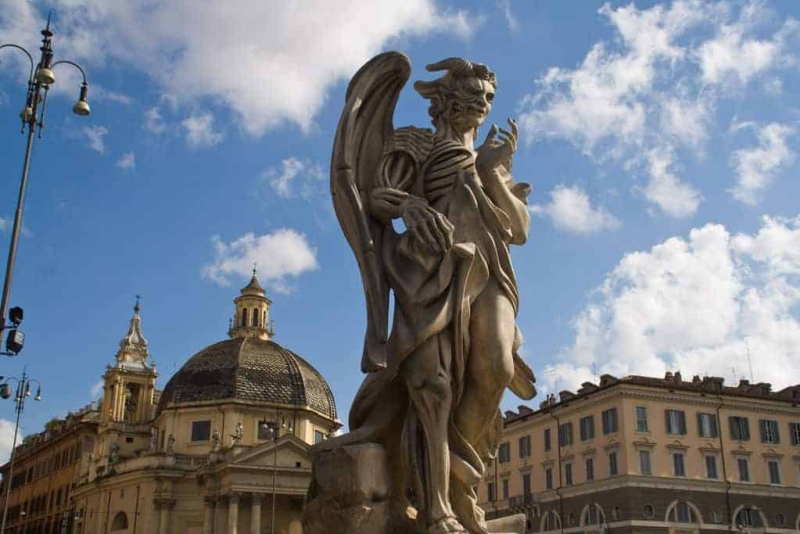
Unlock the Secrets of Rome with an Angels & Demons Tour Step into the mysterious world of Dan Brown's Angels & Demons with this exclusive private tour, designed to immerse you in the real-life locations that inspired the thrilling novel. Your English-speaking driver and expert guide will meet you at your hotel or a place of your convenience, ready to take you on a fascinating journey through the Eternal City. Explore Iconic Locations from the Novel Discover the sites that bring the pages of Angels & Demons to life, including Castel Sant’Angelo, the Pantheon, St. Peter’s Basilica, and the stunning churches of Santa Maria della Vittoria and Santa Maria del Popolo. Each location holds secrets and stories that intertwine history, art, and fiction in captivating ways. Decipher Hidden Mysteries As you visit these remarkable sites, your guide will help you unravel the mysteries and codes embedded in the novel. Learn about the real history and significance of the art, statues, and churches used by Dan Brown to create his fictional reality. The experience offers a unique blend of storytelling, historical exploration, and literary intrigue. The Fascination of Fiction in Reality What makes this tour truly special is the way Dan Brown’s narrative blends fiction and fact, using actual locations, art, and history to craft a compelling story. As you walk in the footsteps of the novel's characters, you may find yourself questioning what is real and what is imagined—adding to the allure of this one-of-a-kind experience. A Unique Journey Through Art, History, and Literature Very few experiences in Rome compare to this Angels & Demons private tour, where the boundaries between fiction and reality blur against the backdrop of one of the world’s most historic cities. Let the Eternal City surprise you, and leave with a newfound appreciation for the connections between art, history, and literature.
price from €125.00


 +39 06.999.77.65
 +39 350.194.03.96
 info@discoveryguidedtours.com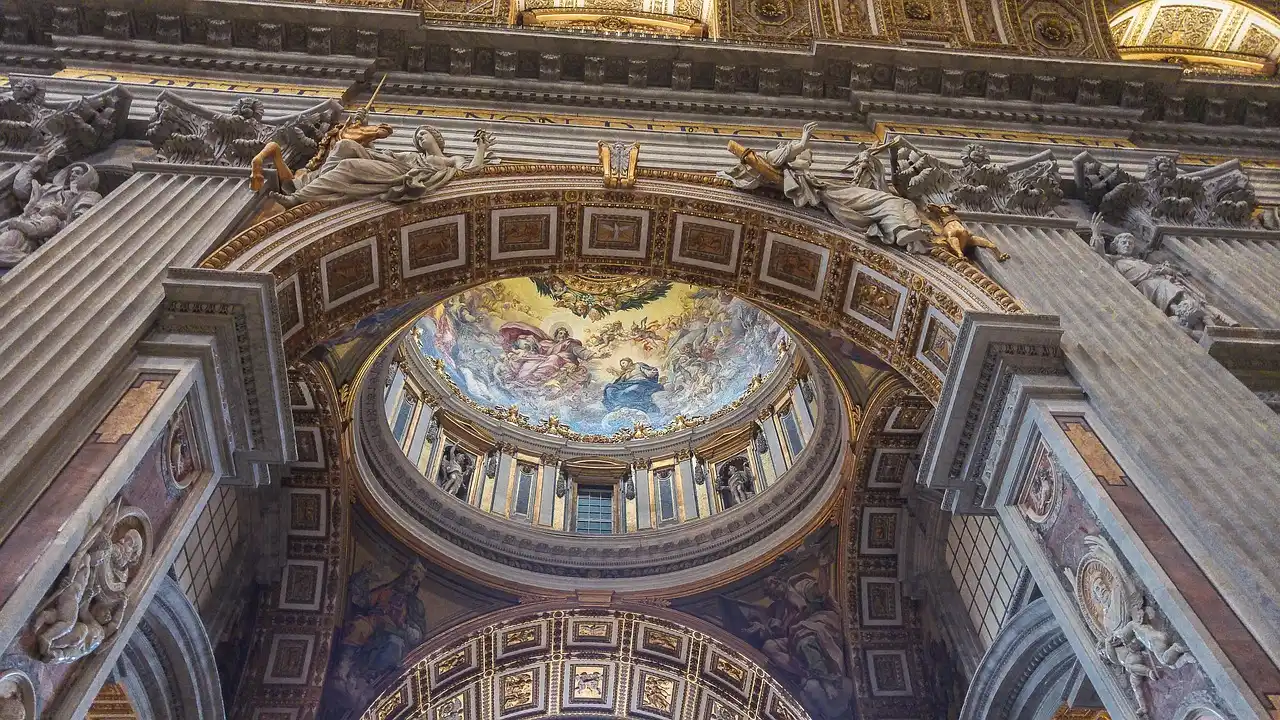

 4 hours