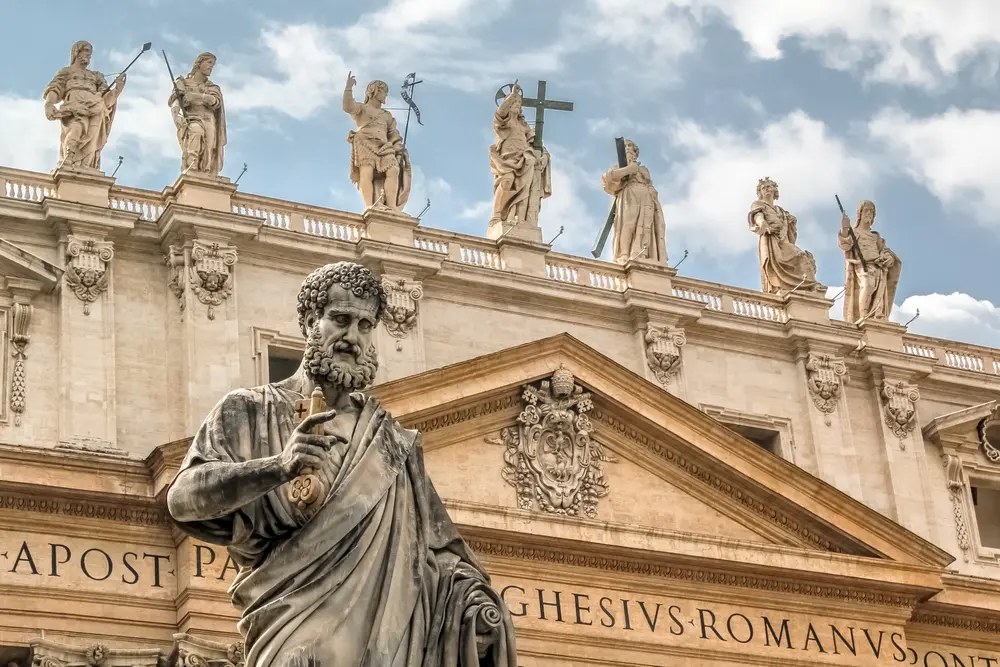
Rome is often celebrated for its ancient ruins, grand squares, and world-famous monuments, but there is another side of the Eternal City that deserves equal attention: its extraordinary collection of churches. With hundreds of places of worship scattered throughout the city, Rome offers an unparalleled journey through history, art, architecture, and faith.
From magnificent papal basilicas to hidden chapels filled with priceless masterpieces, the city’s churches tell the story of nearly two thousand years of religious and cultural development. Whether visiting Rome for the first time or returning to discover lesser-known treasures, exploring Rome’s churches is one of the most rewarding experiences the city can offer.
One of the reasons why churches in Rome attract millions of visitors every year is their unique combination of spiritual significance and artistic heritage. Many of these buildings house works created by legendary artists such as Michelangelo, Bernini, and Caravaggio, turning religious sites into genuine cultural landmarks.
Unlike traditional museums, many of Rome’s churches can be entered free of charge, allowing visitors to admire incredible works of art while experiencing the atmosphere of living places of worship.
Another fascinating aspect is the variety of architectural styles. Walking through Rome means encountering examples of Early Christian architecture, Romanesque churches, Renaissance masterpieces, and spectacular Baroque interiors, often within a short distance of one another.
No guide to Rome’s most remarkable churches could begin anywhere else than St. Peter’s Basilica.
Located in Vatican City, this iconic church is considered one of the most important religious buildings in the world. Built over what is traditionally believed to be the tomb of Saint Peter, the basilica represents centuries of artistic and architectural achievement.
The immense interior leaves visitors speechless. The soaring dome designed by Michelangelo, the magnificent bronze canopy by Bernini, and countless sculptures and chapels create an unforgettable experience.
Among the highlights is Michelangelo’s Pietà, one of the most celebrated sculptures ever created. Visitors can also climb to the top of the dome to enjoy breathtaking views over Rome and Vatican City.
For many travelers, visiting St. Peter’s Basilica is one of the most memorable moments of their stay in Rome.
Many visitors assume that St. Peter’s Basilica is Rome’s cathedral. In reality, that distinction belongs to the Archbasilica of St. John Lateran.
Known as the official ecclesiastical seat of the Pope, this church is often referred to as the “Mother Church” of Catholicism. Founded during the fourth century, it is the oldest of Rome’s major basilicas and remains one of the city’s most significant religious sites.
Its monumental façade immediately captures attention, while the interior impresses with enormous statues of the Apostles and elegant architectural details.
Nearby visitors can also explore the Holy Stairs, traditionally believed to be the steps climbed by Jesus before his trial in Jerusalem.
Among Rome’s four papal basilicas, Santa Maria Maggiore stands out for its remarkable preservation and artistic beauty.
The church contains some of the oldest surviving Christian mosaics in the world. Dating back to the fifth century, these golden masterpieces offer a rare glimpse into the artistic traditions of early Christianity.
Walking through the basilica reveals a fascinating combination of historical periods. Ancient mosaics coexist with Renaissance chapels and Baroque decorations, creating an extraordinary visual experience.
Visitors interested in religious art in Rome often rank Santa Maria Maggiore among the city’s most beautiful churches.
Few places illustrate Rome’s complex history better than the Basilica of San Clemente.
At street level, visitors encounter a charming medieval church decorated with elegant mosaics and frescoes. However, the true wonder lies underground.
Descending beneath the current structure reveals an earlier Christian church dating from the fourth century. Going even deeper, visitors discover the remains of ancient Roman buildings and a temple dedicated to Mithras.
This remarkable archaeological journey allows travelers to move through nearly two thousand years of Roman history in a single visit.
For anyone interested in ancient Rome, Christian history, and archaeology, San Clemente is an essential stop.
Situated near Piazza del Popolo, Santa Maria del Popolo is often overlooked by tourists rushing toward other attractions.
Yet this church contains some of the most important works by Caravaggio, one of the greatest painters in art history.
His dramatic use of light and shadow can be admired in masterpieces such as The Conversion of Saint Paul and The Crucifixion of Saint Peter. These paintings revolutionized European art and continue to attract visitors from around the world.
The church also features works by Raphael and Bernini, making it a must-see destination for lovers of Renaissance art and Baroque art.
Another essential destination for art enthusiasts is San Luigi dei Francesi.
Located near the Pantheon, this church houses three celebrated paintings dedicated to the life of Saint Matthew. Together, they form one of the greatest artistic achievements of the Baroque period.
The realism, emotional intensity, and dramatic lighting characteristic of Caravaggio’s style can be fully appreciated here.
Many visitors specifically seek out this church to admire what are considered some of the finest examples of religious painting in Rome.
Although originally constructed as a Roman temple, the Pantheon has functioned as a Christian church since the seventh century.
Its conversion helped preserve the structure throughout the centuries, allowing modern visitors to experience one of the best-preserved monuments of ancient Rome.
The enormous dome remains an architectural marvel. At its center, the famous oculus allows natural light to enter, creating constantly changing visual effects throughout the day.
The Pantheon is also the resting place of several notable historical figures, including the artist Raphael.
Today it remains one of the most visited and admired historic churches in Rome.
Located beyond the ancient city walls, St. Paul Outside the Walls is one of Rome’s largest churches.
Although it receives fewer visitors than St. Peter’s Basilica, it offers a peaceful atmosphere and extraordinary artistic beauty.
The basilica is traditionally believed to stand above the burial site of Saint Paul. Its vast interior, impressive columns, and beautiful cloister create a sense of serenity that many travelers find particularly appealing.
For those looking to explore beyond the most crowded attractions, this church represents one of the city’s most rewarding discoveries.
While Rome’s famous basilicas attract most of the attention, some lesser-known churches offer equally fascinating experiences.
Hidden near Santa Maria Maggiore, Santa Prassede contains some of the most spectacular Byzantine mosaics in Rome.
The Chapel of Saint Zeno is especially remarkable, with walls covered in shimmering golden decorations that transport visitors back to the early Middle Ages.
The Church of Sant’Ignazio di Loyola is famous for one of Rome’s most extraordinary artistic illusions.
Its painted ceiling creates the impression of a soaring dome, even though no dome actually exists. The effect demonstrates the creativity and technical skill of Baroque artists.
Among the many churches in Rome, Santa Maria sopra Minerva is unique for its Gothic architecture.
Its striking blue interior, important artworks, and connection to figures such as Michelangelo make it one of the city’s most distinctive religious landmarks.
With so many remarkable churches to discover, planning an itinerary can be challenging.
Some visitors focus on the major basilicas, while others prefer exploring hidden gems scattered throughout the historic center. A balanced approach often provides the most rewarding experience, combining world-famous landmarks with lesser-known treasures.
Walking remains one of the best ways to discover Rome’s religious heritage, as many churches are located close to one another. Comfortable shoes and a flexible itinerary allow visitors to fully appreciate the city’s rich architectural and artistic diversity.
It is also important to remember that these are active places of worship. Dressing appropriately and respecting ongoing religious services helps preserve the unique atmosphere that makes these sites so special.
The churches of Rome offer far more than beautiful architecture. They reveal stories of emperors, popes, artists, saints, and ordinary people whose lives helped shape the city over the centuries. Behind every façade lies a fascinating combination of history, art, spirituality, and cultural heritage.
While it is possible to visit many churches independently, a guided experience allows visitors to uncover details that often go unnoticed, from hidden symbols and artistic techniques to remarkable historical anecdotes. If you would like to gain a deeper understanding of Rome’s extraordinary religious heritage, consider booking a dedicated Rome Churches Tour with Discovery Guided Tours and experience some of the city’s most remarkable sacred landmarks through the eyes of expert local guides.


 +39 06.999.77.65
 +39 350.194.03.96
 info@discoveryguidedtours.com