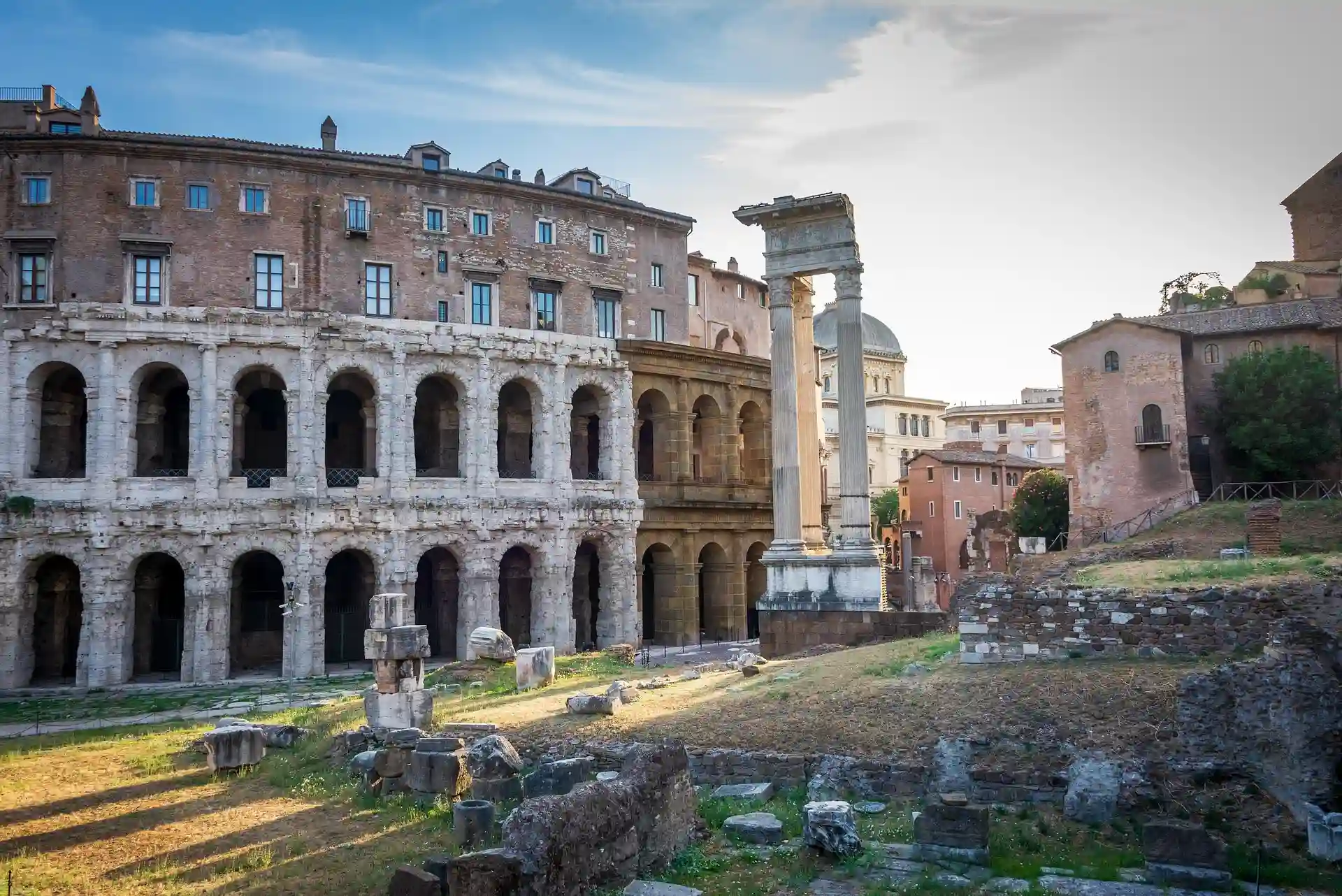
Rome is one of those cities that feels familiar even before you arrive. Images of ancient ruins, sunlit piazzas, and overflowing plates of pasta live in the collective imagination long before the trip is booked. Yet the first real encounter with the city can be overwhelming. Layers of history overlap, traffic follows its own rhythm, and every street seems to lead somewhere monumental.
Experiencing Rome for the first time isn’t about rushing from landmark to landmark. It’s about slowing down, understanding the city’s rhythm, and learning how history, culture, and daily life blend together. The goal is not to see everything, but to feel the city working as a whole.
This guide is designed to help you experience Rome the way a first-time visitor should: with curiosity, awareness, and the right pace.
Rome is not a museum city frozen in time. It is a living capital where ancient ruins exist alongside apartment buildings, cafés, and offices. Everyday life unfolds among columns and fountains that are thousands of years old.
The historic center is walkable, but distances often feel longer because Rome invites wandering. Streets curve, landmarks appear suddenly, and detours frequently become highlights. Planning fewer activities per day often leads to a deeper and more rewarding experience.
Rome is also a city of layers: ancient, medieval, Renaissance, and modern Rome all coexist. Understanding this stratification makes the city easier to read and far more fascinating for a first-time visitor.
Iconic landmarks form the backbone of any first trip to Rome. They provide essential historical orientation and help everything else fall into place.
The Colosseum is often the first major stop. Seeing it in person immediately changes how you understand scale, engineering, and spectacle in ancient Rome. Visiting it together with the Roman Forum and Palatine Hill transforms scattered ruins into a coherent story of power, politics, and daily life.
Rather than treating these sites as quick photo stops, approach them as interconnected chapters of the same narrative. Context makes all the difference.
The Vatican City is one of the most visited places in the world, but its scale can feel overwhelming without preparation.
The Vatican Museums contain centuries of art, politics, and symbolism. Instead of trying to see everything, focus on how art evolves toward power and religious authority, culminating in the Sistine Chapel.
Equally important is St. Peter’s Basilica. Beyond its religious meaning, it represents one of the most ambitious architectural projects in history. Timing matters: early mornings or late afternoons often provide a calmer, more reflective atmosphere.
Rome truly reveals itself in its neighborhoods, where daily life unfolds away from the main monuments.
Trastevere offers narrow streets, lively evenings, and a strong sense of local identity. While popular, it still rewards visitors who explore slowly and step away from the busiest routes.
Monti blends history with contemporary Roman life. Artisan shops, wine bars, and quiet streets make it ideal for unstructured exploration.
Markets like Campo de’ Fiori showcase Rome in motion: voices, movement, and everyday routines. These moments help first-time visitors understand the city beyond postcards.
Food in Rome is a cultural expression, not a performance. Eating well means embracing simplicity and tradition.
Classic Roman dishes—carbonara, cacio e pepe, amatriciana, gricia—rely on precision and balance, not excess. That’s why choosing the right place matters more than variety.
Avoid overly tourist-oriented restaurants. Instead, look for trattorias filled with locals, especially at lunch. Don’t skip café culture either: standing at the bar for an espresso is a small ritual that reveals a lot about Roman daily life.
One of the biggest mistakes first-time visitors make is trying to do too much. Rome requires energy, attention, and emotional presence.
Plan breaks. Sit in a piazza. Watch the city move. Enjoy long meals. Evenings are just as important as sightseeing hours, when monuments glow and the city softens.
Understanding Rome’s rhythm helps visitors feel less like tourists and more like participants.
Rome isn’t a city you finish. It’s a city you begin to understand.
Every first visit lays the foundation for future returns, deeper insights, and new discoveries. When you approach Rome with curiosity rather than urgency, the city reveals itself gradually and authentically.
For travelers looking to experience Rome with context, balance, and storytelling, exploring the city through carefully curated tours with Discovery Guided Tours can offer an informed and meaningful way to connect history, art, and daily life—especially on a first visit.
Book your Rome experience with Discovery Guided Tours — curated, insightful, and designed for first-time visitors.


 +39 06.999.77.65
 +39 339.159.25.40
 info@discoveryguidedtours.com