Just a short distance from the bustling streets of Rome lies a landscape that feels like a different world entirely. Rolling hills, volcanic lakes, vineyard-covered slopes, and historic towns perched above breathtaking panoramas: welcome to the Roman Castles, or ‘Castelli Romani‘.
For centuries, this area has been the countryside escape of choice for Romans seeking fresh air, good food, and a slower pace of life. Today, it remains one of the most rewarding day trips you can take if you want to experience a more authentic side of central Italy—one where wine, tradition, and history blend seamlessly.
Despite the name, the Roman Castles are not defined by fortresses alone. The term refers to a group of charming towns scattered across the Alban Hills, southeast of Rome. These towns developed during the Middle Ages as fortified settlements controlled by noble Roman families, and many still preserve their historic character.
At the heart of the area lies the ancient volcanic complex known as the Alban Hills, which gives the region its unique geography. The fertile soil, mild climate, and elevated position have made it ideal for agriculture—especially wine production, which has been a cornerstone of local life since Roman times.
The appeal of the Roman Castles goes far beyond their proximity to Rome. This is a destination where you can experience multiple dimensions of Italian culture in a single day.
First, there is the landscape. The views here are dramatically different from the urban scenery of Rome. Vineyards stretch across hillsides, olive groves dot the terrain, and shimmering lakes reflect the sky.
Then there is the food and wine. The area is famous for simple yet deeply satisfying cuisine, often paired with locally produced Frascati wines, known for their freshness and drinkability.
Finally, there is the atmosphere. Unlike Rome, where everything feels monumental and fast-paced, the Roman Castles invite you to slow down. Life unfolds in piazzas, family-run trattorias, and scenic terraces overlooking the countryside.
Each town in the Roman Castles has its own personality. Exploring them means discovering subtle differences in architecture, traditions, and local specialties.
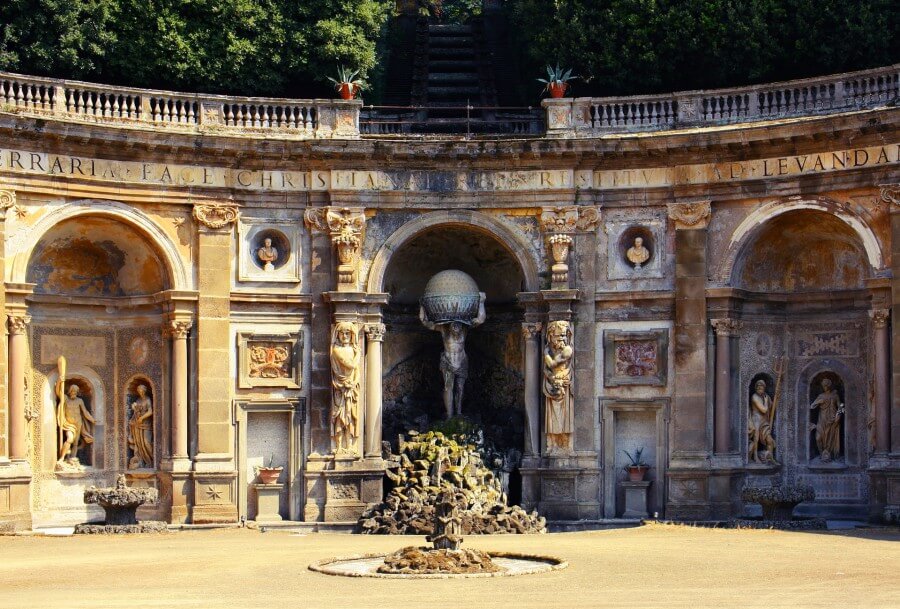
Frascati is perhaps the most famous of the Roman Castles, known worldwide for its white wine. The town sits on a hillside overlooking Rome, offering spectacular views that stretch all the way to the capital.
Beyond wine, Frascati is also home to elegant Renaissance villas, such as the Tuscolan villas, which reflect the area’s long-standing connection with Roman nobility. Walking through its streets, you’ll find wine bars, bakeries, and traditional restaurants that define the local lifestyle.
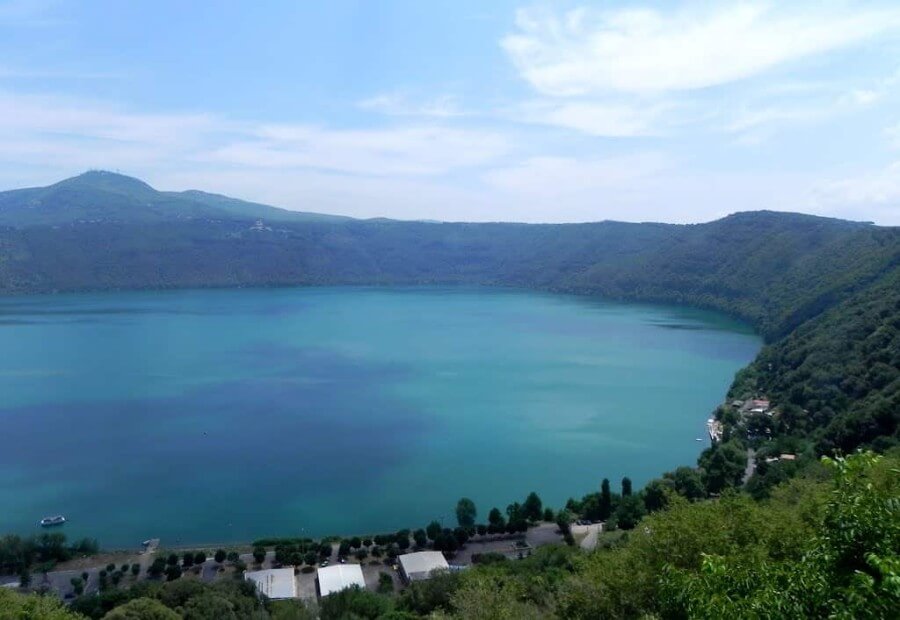
Perched above the deep blue waters of Lake Albano, Castel Gandolfo is one of the most scenic towns in the region. It is best known as the location of the Papal Palace, traditionally used as a summer residence by the Pope.
The town itself is small but incredibly picturesque. Narrow streets lead to panoramic terraces, while the lake below offers opportunities for relaxation and outdoor activities. The combination of natural beauty and historical significance makes Castel Gandolfo a must-visit.
Ariccia is synonymous with one thing above all: porchetta. This savory, slow-roasted pork dish is a local specialty that draws visitors from all over Italy.
But Ariccia is not just about food. The town also features remarkable architecture, including the grand bridge that spans the valley and the Piazza di Corte, influenced by Gian Lorenzo Bernini.
Dining in one of the traditional fraschette—simple taverns serving local wine and rustic dishes—is an essential part of the experience.
Small, quiet, and incredibly charming, Nemi overlooks a volcanic lake surrounded by dense forest. The town is famous for its wild strawberries, celebrated each year with a local festival.
Nemi offers a more intimate experience compared to the larger towns. Its narrow streets, artisan shops, and breathtaking viewpoints make it ideal for those looking to escape the crowds and discover a less touristy side of the Roman Castles.
Food is not just part of the experience here—it is at the center of it. The cuisine of the Roman Castles reflects the agricultural richness of the region and the traditions of rural Lazio.
Local menus often include handmade pasta, roasted meats, and seasonal vegetables. However, what truly defines the area is its deep connection to wine.
The Frascati DOC and DOCG wines are among the most recognizable, known for their freshness and balance. These wines have been produced since ancient Roman times, when the area already served as a vineyard for the capital.
Pairing local wine with traditional dishes in a countryside setting creates a complete sensory experience, where taste, landscape, and culture come together.
One of the most fascinating aspects of the Roman Castles is their geological origin. The region sits on an ancient volcanic complex, which has shaped both its landscape and its culture.
Lakes such as Albano and Nemi were formed inside volcanic craters, giving them their distinctive circular shape and deep waters. The mineral-rich soil left behind by volcanic activity contributes to the quality of local agricultural products, especially wine.
This connection between geology and gastronomy is one of the reasons why the Roman Castles are considered a unique destination near Rome.
Reaching the Roman Castles from Rome is relatively easy, making them perfect for a day trip or a short getaway.
You can travel by train from central stations in Rome to towns like Frascati or Albano Laziale. Buses also connect various parts of the region, although they may require more planning.
However, the best way to explore the area—especially if you want to visit multiple towns in a single day—is by car or with a guided tour. This allows you to move freely between locations, stop at scenic viewpoints, and fully immerse yourself in the local atmosphere.
The Roman Castles can be visited year-round, but each season offers a slightly different experience.
Spring and early summer are ideal for enjoying the countryside in full bloom, with mild temperatures and vibrant colors. Autumn, on the other hand, is particularly appealing for food and wine lovers, as it coincides with the grape harvest and seasonal festivals.
Even in winter, the area retains its charm, offering a quieter and more intimate atmosphere compared to the busy streets of Rome.
If you want to experience the Roman Castles in the most complete and immersive way, choosing a guided tour is the smartest option. With Discovery Guided Tours, you can explore this extraordinary region through carefully designed itineraries that combine wine tastings, scenic views, and cultural insights.
Instead of navigating transportation and planning each stop yourself, you can focus on what really matters: enjoying the experience. From the vineyards of Frascati to the panoramic terraces of Castel Gandolfo, every moment becomes part of a seamless journey.
Booking a Roman Castles tour means turning a day trip into something more meaningful—a chance to connect with a territory that has been shaping Roman life for centuries.
you may be interested:
For this Frascati tour, our English-speaking tour driver will welcome you at your hotel or any other place of your convenience. You will enjoy the scenery of a series of small villages scattered on a territory of volcanic land, called Roman castles , because of the imposing castle and palaces, houses to many important families and Popes. Some of the small towns are separated from one another by woods of chestnut trees or by rich and untouched vegetation. Other are linked to each other by buildings, others are isolated on the top of the ancient inactive volcano. The Roman castle hill towns of ancient and medieval origin are celebrated for their lush green scenery, volcanic lakes, authentic cuisine, and local white wines. Visit the two main hill towns, Frascati and Castel Gandolfo. Frascati is the most famous town of the Roman castles. according to other scholars, the town’ name comes from the “frascata”, a special right to collect firewood and branches, which were used in the Middle Ages as a mean to cover houses. The town of Castel Gandolfo became the property of the popes. At the end of the 16th and early 17th centuries, aristocratic Romans began to build luxurious villas in and around the Castelli Romani Hill towns, just as the ancients had done. Your English-speaking tour driver will be happy to suggest some great local restaurants in the area for lunch and upon request, schedule a visit in a local winery, because this area is world famous for the amazing food. More importantly, for the great wine production. At the end of the tour, your tour driver will drop you off at your hotel or other area of your convenience in Rome or surrounding area.
price from €95.00
Enjoy a relaxing, smooth ride in a comfortable, air-conditioned Limo Van for your private transfer from Rome Hotel or Airport to Castelli Romani. The best solution to reach your destination: Private deluxe transportation, personal driver to suite your every need and customization, to make your road trip more enjoyable. This transfer service can be scheduled also vice-versa. To make sure we offer you our best possible solution, we always recommend to let us know the size and quantity of luggage, so that we can fully satisfy your every need for a comfortable, relaxing private transfer. With our transfer service just relax, and enjoy the ride, let us take care of the rest.
price from €50.00
A sensory experience on this private tour of beautiful villages. Escape from the busyness of Rome, for a day. Frascati Wine culture is a private tour will take you on a trip to explore the culture of wine making and its social impact on local life style. This part of the Roman Countryside is called Castelli Romani, Roman Castles. Because of its small villages, old fortifications and castles, perched on the Albani Hills. The two most famous Roman Castles’ towns are Castel Gandolfo and Frascati. What makes them so special is their unique location, the lifestyle. More importantly, when it comes to great food and superb wine, this is where you want to go! On the road, you will notice how interesting the Roman countryside really is, with its rolling hills and fascinating landscapes. You will be in awe. Driving through the Roman Castles, you’ll arrive in Castel Gandolfo, a quaint little town, perched on top of a hill over looking the lake. The Pope’s summer residence, through out the centuries. Because of its joyful atmosphere and astonishing sceneries. Take your time and take a look around. This beautiful town has incredible history and so much to offer, which is accessible to everyone. History, art and wine are perfectly paired You will then head for Frascati, another Roman Castles Town. This interesting town is associated to many events in history and artistically. Frascati is renowned for it’s great food and wine culture. And that’s why for this experience, we want for you to explore every aspect of these wonderful lands. Before you return to Rome, we will take you for a private Wine tasting and tour of a Winery in Frascati, to learn more about their wines, visit the vineyards and cellars and taste their magnificent product, to sample with their locally made bruschettas and caciotta cheese. After this marvelous day, your private tour driver will take you for a pleasant trip back to your location in Rome.
price from €165.00


 +39 06.999.77.65
 +39 350.194.03.96
 info@discoveryguidedtours.com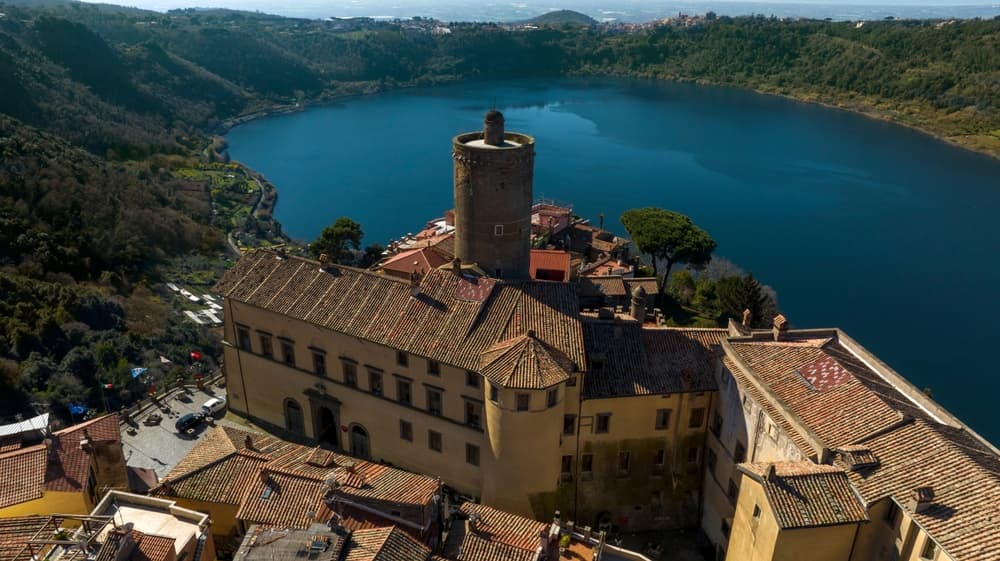

 7 hours