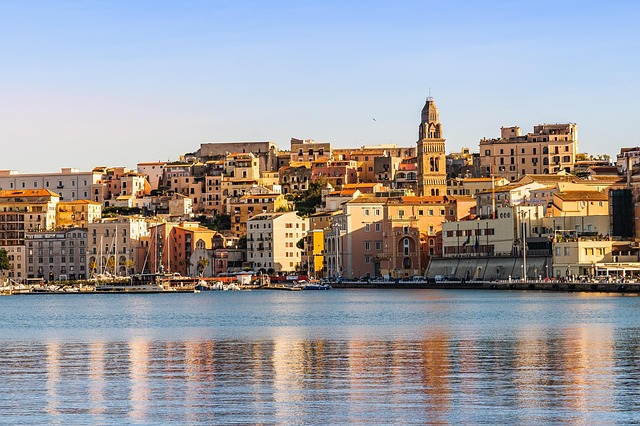
Along the sun-kissed coast between Rome and Naples, two seaside gems stand out for travellers looking for beaches, history and Mediterranean charm: Gaeta and Sperlonga. These neighbouring towns share the same stretch of coastline, yet each offers a completely different atmosphere. Gaeta is dramatic, historical and full of viewpoints; Sperlonga is elegant, slow-paced and unmistakably postcard-perfect.
If you’re visiting for the first time and wondering what to see, how to plan your time, or whether these towns are truly worth a day trip from Rome, this guide covers the essential highlights.
Gaeta and Sperlonga sit just 15 minutes apart by car or bus, making them a natural pairing for a coastal escape. Gaeta offers the rugged landscapes, religious landmarks and panoramic cliffs that appeal to culture lovers and photographers. Sperlonga brings pure relaxation: whitewashed alleys, golden beaches and a stylish waterfront ideal for swimming, dining and strolling.
For many travellers, combining the two creates the perfect balance—morning sightseeing in Gaeta, followed by a lazy afternoon on Sperlonga’s beaches.
Gaeta is one of those places where nature and centuries of history meet in dramatic fashion. Its cliffs plunge into turquoise water, medieval fortresses climb the hillside, and hidden caves reveal ancient legends. Here are the must-see spots for first-time visitors.
The Montagna Spaccata—literally “Split Mountain”—is the most iconic attraction in Gaeta. According to tradition, this immense rock fissure opened at the moment of Christ’s death. Whether you approach it as a religious pilgrimage or simply a natural wonder, the site is unforgettable.
Walking down the steps, you’ll reach the narrow stairway carved into the cliffside, with the sea roaring below. Nearby lies the Santuario della SS. Trinità, a sanctuary built between the rocks and visited for centuries by monks, sailors and saints.
Adjacent to the Montagna Spaccata, the Grotta del Turco is a breathtaking sea cave formed by the relentless force of the waves. The descent leads you through a long corridor and viewpoints that reveal turquoise light filtering between the stone walls. On calm days, the water looks almost tropical. It’s one of the top “insta-spots” in Gaeta—and a frequent query for travellers searching “Is the Grotta del Turco open?” or “How hard is the walk?”.
While the descent is manageable, be ready for stairs and uneven surfaces.
The old town, known as Gaeta Medievale, is a labyrinth of alleys, piazzas and pastel houses leading up to the castle. Wandering here gives you a sense of Gaeta’s strategic importance throughout history.
The Aragonese-Angevine Castle, perched above the city, has served multiple roles—from a defensive fortress to a prison. Today it is used for exhibitions and guided tours on selected days, so many travellers check for updated openings before visiting.
Gaeta offers surprisingly beautiful beaches, the most famous being Serapo Beach, a long arc of golden sand framed by lush hills. It’s ideal for swimming and sunbathing.
From Serapo, coastal paths extend toward the Riviera di Ulisse, a protected area with hiking trails, viewpoints and small coves. If you’re visiting in spring or autumn, it’s one of the best places for scenic coastal walks.
If you love panoramic photography, Gaeta won’t disappoint. Some of the best viewpoints include:
Sunset from Gaeta is particularly spectacular, with the sky turning shades of orange and lavender over the Gulf.
While Gaeta is bold and dramatic, Sperlonga feels almost Greek in its architecture—whitewashed homes, narrow staircases and terraces overlooking shimmering bays. This combination of coastal beauty and relaxed atmosphere makes it one of the most beloved beach towns in central Italy.
Sperlonga’s historic center sits on a hilltop, accessible via steps and ramps that weave through charming alleys lined with cafes, artisan shops and flower-decorated balconies.
Unlike many Italian seaside towns, Sperlonga keeps a uniform architectural style, which is why many travellers search for “is Sperlonga like Positano?” or “most beautiful villages near Rome.” It’s not as vertical as Positano, but the Mediterranean vibe is just as enchanting.
If you’re visiting Sperlonga for the first time, chances are the beaches are a priority—and they should be. The coastline is famous for its soft sand, shallow waters and excellent water clarity.
Top beaches include:
Sperlonga’s waters often receive the Blue Flag certification for cleanliness, making it one of the best destinations near Rome for a beach day.
Just below the town lies one of the most fascinating archaeological sites on the Lazio coast: the Villa of Tiberius, the emperor’s former seaside residence. The villa once included a monumental grotto decorated with sculptures depicting scenes from the Odyssey.
Today, many of these sculptures are housed in the adjacent Archaeological Museum of Sperlonga, which offers rich insights into Roman art and the emperor’s lifestyle.
For travellers interested in culture, this is often a highlight—and a reason why Sperlonga appeals even outside beach season.
Sperlonga’s promenade stretches along the beachfront, perfect for sunrise walks or evening gelato. The town is also well-known for elegant restaurants offering fresh seafood and sunset terraces. If you’re looking for a relaxing romantic destination near Rome, Sperlonga is one of the top choices.
Sperlonga’s shallow beaches are ideal for children. Gaeta adds educational value with historical and natural attractions.
Sperlonga’s sunsets, white alleys and intimate restaurants create a romantic atmosphere. Gaeta offers scenic spots perfect for photographs and quiet walks.
Both towns are safe and easy to explore. Gaeta appeals to solo travellers seeking adventure and hiking; Sperlonga suits those wanting a relaxing beach day.
Yes—many travellers plan a one-day itinerary combining both towns. However, if you prefer not to rush, consider staying overnight or returning for a second visit. The coastline offers enough beauty to justify more time.
The most rewarding way to experience Gaeta and Sperlonga is to combine their iconic sights with the kind of local insight that transforms a simple day trip into a memorable journey. The two towns are close enough to explore in a single itinerary, but understanding their history, natural beauty and hidden corners makes all the difference. With a guided experience, you avoid logistical challenges, move efficiently between viewpoints and beaches, and gain context you would never get on your own—from the legends surrounding the Montagna Spaccata to the stories behind Emperor Tiberius’ coastal villa.
For first-time visitors especially, exploring with expert guides offers a more enriching and seamless way to enjoy the coast. If you want a well-planned itinerary, engaging storytelling and the comfort of dedicated transportation, book your Gaeta and Sperlonga tour with Discovery Guided Tours and discover Gaeta and Sperlonga with those who know them best.


 +39 06.999.77.65
 +39 339.159.25.40
 info@discoveryguidedtours.com