There’s a moment — somewhere between the first curve of a cypress-lined road and the first sip of a Sangiovese poured directly by the person who grew the grapes — when you realise that a wine tour through Chianti is not really about wine. It’s about a place, a pace, and a way of doing things that refuses to be rushed. And if you’re doing it privately, that moment arrives even sooner.
This guide walks you through everything you need to know before booking a private wine tour in Chianti: what the experience actually looks like, how it differs from a group tour, which wines you’ll encounter, and how to make the most of a day in one of the most celebrated wine regions in the world.
Before diving into the logistics of the tour itself, it helps to understand what “Chianti” actually covers — because the answer is less straightforward than the label on a bottle might suggest.
Geographically, Chianti stretches across the provinces of Florence, Siena, and Arezzo, encompassing an unusually broad swath of Tuscany. Within that territory, several sub-zones exist: Chianti Colli Fiorentini, Chianti Colli Senesi, Chianti Rufina, and others. But the crown jewel — the name that carries the most weight among wine lovers worldwide — is Chianti Classico.
The Chianti Classico DOCG is the historic heartland of the appellation, defined in its current form between Florence and Siena, and regulated under some of the strictest production rules in Italy. Its wines must contain at least 80% Sangiovese and are aged according to specific timelines depending on the category: Annata, Riserva, or the prestigious Gran Selezione.
You’ll recognise a Chianti Classico bottle by the seal at the neck: a small black rooster, known in Italian as the Gallo Nero. The symbol comes from a medieval legend about how Florence and Siena settled their border in these hills, and today it functions as the official emblem of the Chianti Classico Consortium — a guarantee of origin and quality that is taken seriously by every producer in the zone.
A well-structured private wine tour through Chianti generally runs between six and eight hours and covers two or three estates. Here’s roughly how the day unfolds.
Morning departure — Most tours depart from Florence or Siena, with the guide handling all transportation in a comfortable vehicle. The drive into Chianti takes around 40 to 50 minutes from Florence, and a good guide will use that time to introduce the territory: the history of the appellation, how Italy’s denomination system works, and what to look for in the wines you’re about to taste.
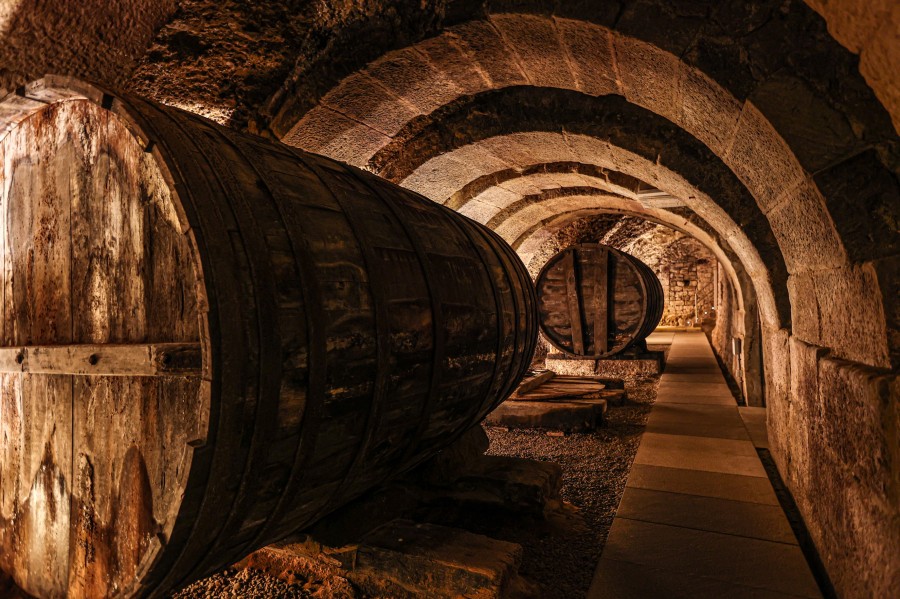
First winery — The first stop is typically an estate in the Chianti Classico zone. You’ll visit the vineyards, walk through the cantina (the wine cellar), and observe the production and ageing processes first-hand. Depending on the estate, you might see large oak barrels, smaller barriques, or both — each producer makes different choices, and a private guide will explain what those choices mean in the glass. The tasting itself usually covers three to seven wines, often paired with local bread, olive oil, pecorino, and cured meats.
Lunch — One of the great pleasures of a full-day private tour is a proper Tuscan lunch, either at one of the wineries or at a small local restaurant chosen by your guide. Expect ribollita, handmade pasta, grilled meats, and wines from the estate — the kind of meal that makes you want to extend the afternoon indefinitely.
Second (and sometimes third) winery — The afternoon brings a second estate, often with a different profile from the morning’s visit. A thoughtful itinerary will contrast the two stops — perhaps a larger historic producer alongside a small biodynamic farm, or a Chianti Classico Annata set against a Gran Selezione — so that the differences become tangible rather than theoretical.
The core of any Chianti wine tour is Sangiovese in its various expressions. This grape — thin-skinned, high in acid, capable of tremendous complexity — produces wines that range from fresh and fruit-driven to deeply structured and age-worthy, depending on altitude, soil, vintage, and the producer’s choices in the cellar.
Within a single day of tasting, you might encounter:
Many estates also produce extra-virgin olive oil, and a tasting of this alongside the wines adds another dimension to the morning.
The Chianti region is open year-round, and each season offers something different. That said, a few windows are particularly compelling.
Spring (April–June) brings mild temperatures, wildflowers along the roadside, and vineyards beginning to green up after winter. Crowds are manageable, and the countryside is genuinely beautiful in a way that photographs can’t fully capture.
Autumn (September–October) is the most dramatic time to visit. The vendemmia — the grape harvest — is underway, and many estates allow guests to observe or even participate. The hills turn gold and rust, the air smells of must and fermentation, and the energy at the wineries is unlike any other time of year.
Summer is the peak season and the busiest. Booking well in advance — at least two weeks, ideally more for private visits to small producers — is essential. The heat can be intense by midday, which makes the cool stone cellars of a Chianti estate feel like a genuine refuge.
Winter is quiet, often overlooked, and surprisingly rewarding for the serious wine traveller. Wineries that are harder to access in summer become more available, and tastings tend to be more relaxed and personal.
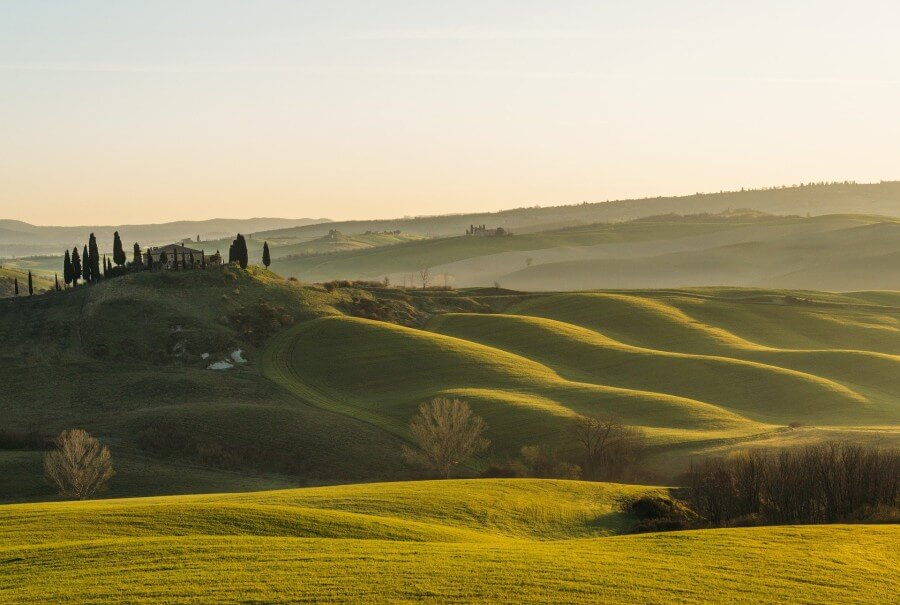
A wine tour through Chianti is also, unavoidably, a tour through one of Tuscany’s most beautiful landscapes. Between estates, you’ll pass through medieval villages like Greve in Chianti, Panzano, Radda, Castellina, and Gaiole — each with its own character, its own castle or loggia or butcher’s shop famous enough to have become a destination in itself.
The broader region rewards slow exploration. Hiking and cycling routes thread through the vineyards, the strade bianche (unpaved gravel roads) connect farms and estates with a charm that the main roads cannot match, and the hilltop views — particularly around Panzano and above Greve — are the kind that stay with you long after the bottle is empty.
A day in Chianti is one of the most authentic ways to experience Tuscany, where rolling hills, vineyards, and small medieval villages create a landscape that feels timeless. Whether it’s your first visit or a return to Italy, this region offers a perfect balance of wine culture, scenic beauty, and slow-paced exploration.
From historic wineries producing world-famous Chianti Classico to family-run estates where traditions have been passed down for generations, every stop along the journey reveals a different side of Tuscany. Tasting local wines, enjoying seasonal food, and travelling through countryside roads lined with cypress trees turns the experience into something truly memorable.
What makes the experience even more special is having everything organised for you, so you can simply enjoy the day without thinking about logistics. Routes, tastings, and timing are carefully planned to give you a smooth and immersive journey through one of Italy’s most iconic regions.
Ready to explore Tuscany the right way? Book your Chianti tour with Discovery Guided Tours and enjoy a perfectly curated day among vineyards, villages, and unforgettable Tuscan landscapes.
you may be interested:
A Scenic Escape to the Heart of Chianti: A Wine Lover’s Dream Tour Step into the heart of Tuscany with a private, immersive tour from La Spezia Port to the world-renowned Chianti Region. This unforgettable day will transport you to a landscape of rolling hills, picturesque vineyards, and charming stone villages, all while you indulge in some of the finest wines Italy has to offer. Journey Through Tuscany's Majestic Vineyards Your adventure begins as your personal driver greets you at the port and whisks you away on a scenic drive through the rolling Tuscan hills. As drive through the winding roads, your driver will share stories about the history and culture of Chianti — an area steeped in centuries of tradition. Along the way, you’ll marvel at the lush vineyards, ancient olive groves, and medieval towns that dot the landscape, each one steeped in its own piece of history. A Taste of Tuscany: Wine and Local Delicacies Chianti is world-famous for its exceptional wines, and your tour is designed to give you a true taste of the region. You’ll visit one of our selected Tuscany’s best wineries, from grand estates with centuries of history to smaller, family-owned vineyards that pride themselves on organic, sustainable farming. You’ll be guided through their cellars, learning about the traditional wine-making process, from handpicking the grapes to bottling the finished product. As you sip and savor your way through a selection of Chianti Classico, Riserva, and other regional wines, you'll also get to sample local specialties. Picture yourself tasting aged cheeses, salumi, and freshly baked breads, all perfectly paired with the wines you’re enjoying. Each stop is an opportunity to indulge in the authentic flavors of Tuscany. Behind the Scenes: Discover Hidden Gems While you’ll visit some of the best-known wineries, this tour also takes you off the beaten path to small, artisanal producers and organic olive oil farms. Here, you’ll experience a more intimate side of Tuscany, where passion for quality over quantity shines through in every bottle and bottle of extra virgin olive oil. Learn about traditional practices that have been handed down through generations and discover how these producers are maintaining the highest standards of sustainability. The Perfect End to a Perfect Day After a day filled with wine, food, and stunning views, your driver will escort you back to La Spezia Port. As you drive through the tranquil hills, reflecting on the unforgettable sights and flavors of Chianti, you’ll feel like you’ve experienced the true essence of Tuscany. Whether you’re an experienced wine connoisseur or simply a lover of beautiful landscapes and delicious food, this Chianti wine tour promises to be a day you’ll remember for years to come. Book your Chianti Region Wine Tour today and immerse yourself in the beauty, tradition, and taste of one of Tuscany’s most celebrated regions!
price from €162.50
Your tour driver will welcome you at your hotel or any other place of your convenience in Rome at 8:00am (suggested time). The tour begins and ends in Rome, for a private Chianti Wine tour. During the trip we will educate you a bit about the region you are about to visit, its history, culture and of course wines. You’ll drive directly to the Chianti wine region, which lies between the major cities of Florence and Siena, bordered on the east by the Chianti hills and on the west by the Elsa River. The Chianti wine region boasts delightful vistas framing the vine-covered rolling hills and ever present cypresses, along with an unhurried pace of life. We select some of the most famous wineries in Chianti for your special wine tasting tour so you can enjoy your beautiful day in the Chianti region. During wine tasting you might also have the chance to talk about wine and wine stories with old wine makers or passionate new generations involved in wine business while sipping incredible wines. This tour includes 1 winery visits, wine & Olive oil tasting at a winery with a brief visit of San Gimignano
price from €137.50
Indulge in Tuscany’s Wine & Culinary Treasures: A Chianti Wine & Food Lover’s Tour Designed especially for wine and food enthusiasts, this tour immerses you in the heart of the Chianti region, famed for its wines, food, and breathtaking scenery. Join us for an unforgettable experience meeting the passionate artisans and vintners behind Chianti’s acclaimed wines. Begin Your Journey Through Tuscany’s Iconic Wine Valleys Your private tour driver will greet you at Livorno Port, ready to escort you into the beautiful hill country of Chianti. As we make our way through Tuscany, soak in views of rolling hills dotted with vineyards, ancient cypress trees, and timeless medieval villages, castles, and fortresses—a true Tuscan landscape. Discover Greve in Chianti: The Capital of Chianti Wine Our first stop is Greve in Chianti, the lively heart of the Chianti wine region. Known for its welcoming atmosphere, Greve offers charming features and countless enotecas (wine bars) where you can sample local wines and olive oils. Wander the quaint piazzas, explore shops with artisanal products, and take in the relaxed pace of this celebrated town. Wine Tasting at an Authentic Chianti Winery Next, we’ll head to a renowned Chianti winery nestled in the heart of the region for an immersive wine experience. Begin with a guided tour of the vineyards and wine cellars, where you’ll learn about the winemaking process from grape to bottle. Then, sit back and savor a tasting session led by an expert sommelier. Depending on availability, you’ll typically sample: Chianti Classico: The region’s flagship wine, known for its bold flavor and heritage Chianti Reserve: A richer, more aged expression of Chianti Tuscan Vinsanto: A unique dessert wine with a rich, velvety finish With each sip, enjoy the sommelier’s insights into the history, notes, and characteristics of these celebrated wines. Savor Traditional Tuscan Cuisine for Lunch Your driver will be delighted to suggest some outstanding Tuscan trattorias in the area, where you can indulge in a traditional meal of local favorites like ribollita soup, pappardelle pasta, or Florentine steak. If you prefer, arrangements can also be made for lunch at the winery, pairing your meal with the estate’s own wines. Explore More Vineyards and Agricultural Estates After lunch, continue your journey through Chianti with visits to other agricultural estates. Each estate offers a unique perspective on Tuscan winemaking and an opportunity to experience the variety of flavors, landscapes, and histories that define this incredible region. Return to Livorno with Lasting Memories of Chianti After a day filled with exceptional food, wine, and unforgettable landscapes, we’ll return you to Livorno Port with a new appreciation for the flavors and culture of the Chianti region. Book This Exclusive Chianti Wine & Food Tour and Savor Tuscany’s Rich Heritage!
price from €155.00


 +39 06.999.77.65
 +39 350.194.03.96
 info@discoveryguidedtours.com

 9 hours