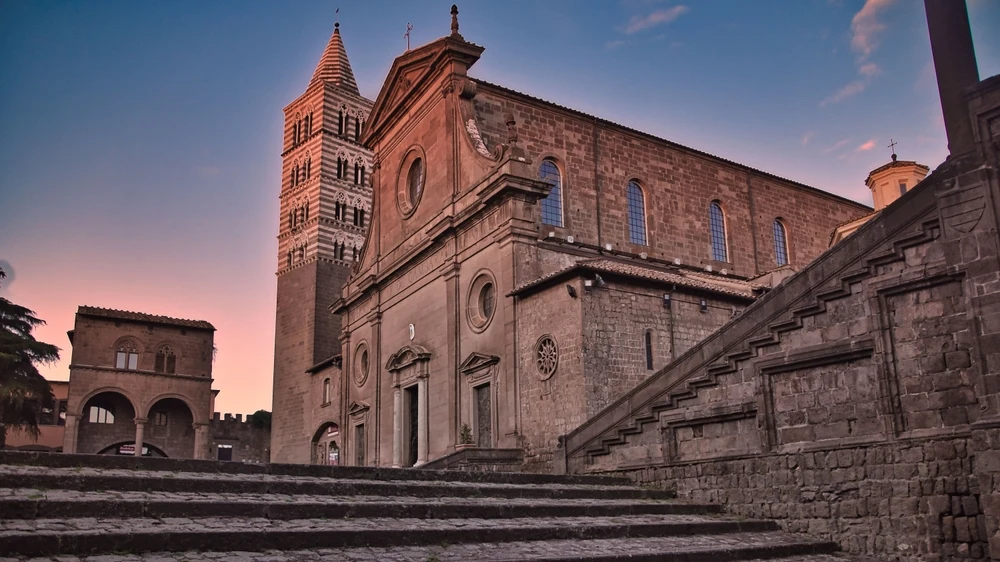
Just over an hour from Rome, Viterbo is one of the most fascinating destinations in central Italy. Often overlooked by travelers rushing between the capital and Tuscany, this historic city offers a completely different side of Italy: medieval streets, papal history, thermal springs, charming piazzas, and a slower pace of life.
For those looking to escape the crowds of Rome and discover a destination rich in culture and authenticity, visiting Viterbo is an excellent choice. Whether planning a day trip or a longer stay, this guide covers everything needed to organize the perfect visit.
Known as the “City of the Popes,” Viterbo played a crucial role in medieval Italy. During the 13th century, it became the residence of several popes and hosted one of the longest papal elections in history.
Today, visitors are drawn by its remarkably preserved historic center, considered one of the best examples of a medieval city in Italy. Walking through Viterbo feels like stepping back in time, with stone houses, ancient towers, narrow alleys, and impressive churches creating a unique atmosphere.
Unlike many famous Italian destinations, Viterbo still maintains a genuine local character, making it particularly appealing for travelers seeking a more authentic experience.
One of the biggest advantages of visiting Viterbo is its proximity to Rome.
The city is located approximately 80 kilometers north of the capital and can be reached easily by train, bus, or car.
Travel times vary depending on the chosen method:
Because of this convenient location, Viterbo is considered one of the best day trips from Rome.
Travelers looking for an affordable option can take a regional train from Rome.
Several connections operate daily, departing from stations such as Rome Ostiense, Rome Tiburtina, and Rome San Pietro.
Although the journey is slightly longer than driving, it offers a comfortable and scenic route through the countryside of Lazio.
Driving provides greater flexibility and allows visitors to explore nearby attractions at their own pace.
The route follows modern highways and regional roads, making the journey relatively straightforward.
Many travelers combine Viterbo with visits to nearby villages, lakes, and archaeological sites.
For those who prefer a stress-free experience, joining a guided excursion from Rome is often the most convenient option.
A guided tour typically includes transportation, historical explanations, and visits to surrounding attractions, allowing visitors to make the most of their day without worrying about logistics.
Several attractions make Viterbo unique among Italian cities.
The destination is particularly renowned for:
Together, these elements create a destination that combines history, culture, architecture, and relaxation.
The heart of Viterbo is undoubtedly the district of San Pellegrino.
Widely considered one of the most beautiful medieval neighborhoods in Italy, this area features a maze of stone streets, archways, staircases, and historic buildings.
Walking here is one of the highlights of any visit. Around every corner, visitors encounter picturesque scenes that seem unchanged for centuries.
The district is particularly photogenic during the early morning and late afternoon, when sunlight enhances the warm colors of the ancient stone architecture.
No visit to Viterbo would be complete without exploring the magnificent Palazzo dei Papi.
Built in the 13th century, this impressive complex became the residence of several popes and remains one of the city’s most important landmarks.
The palace is famous for hosting the papal conclave that lasted nearly three years, leading to significant changes in how future popes would be elected.
Inside, visitors can admire grand halls, historic architecture, and spectacular views over the city.
The elegant loggia is particularly noteworthy and represents one of the most iconic images of Viterbo.
Like many Italian cities, Viterbo is best experienced on foot.
Its squares serve as gathering places where locals meet, enjoy coffee, and spend time outdoors.
Among the most attractive are:
Home to the city hall, this elegant square is often considered the civic heart of Viterbo.
Located near the Palace of the Popes, this square offers a remarkable concentration of historic buildings.
Despite its unusual name, this small square is one of the most atmospheric spots in the historic center.
Each square reveals a different aspect of the city’s history and character.
One of the most distinctive reasons for visiting Viterbo is its long association with thermal waters.
The area surrounding the city is rich in natural hot springs that have been appreciated since Etruscan and Roman times.
Today, visitors can enjoy both luxury spa facilities and natural thermal pools.
The most famous thermal area is Terme dei Papi, known for its mineral-rich waters and wellness treatments.
After a day of sightseeing, relaxing in warm thermal waters provides the perfect way to unwind.
Food lovers will find plenty to enjoy during a visit.
The cuisine of the Tuscia region reflects centuries of agricultural traditions and local ingredients.
Some dishes worth trying include:
The surrounding countryside is also known for producing excellent olive oil and wines.
Dining in Viterbo often means experiencing recipes that have been passed down through generations.
One of the advantages of staying longer is the possibility of exploring the surrounding Tuscia region.
This area is filled with fascinating destinations that remain largely undiscovered by international tourism.
Popular nearby attractions include:
One of Italy’s finest Renaissance gardens, featuring fountains, terraces, and beautifully landscaped grounds.
A unique Renaissance garden filled with giant stone sculptures and mythical creatures.
A volcanic lake surrounded by charming villages and beautiful landscapes.
Often called “the dying city,” this spectacular hilltop village is one of the most photographed locations in Italy.
Combining Viterbo with these nearby attractions creates an unforgettable journey through one of Italy’s most captivating regions.
Rome is extraordinary, but some of central Italy’s most memorable experiences lie just beyond the city limits. Destinations such as Viterbo, Civita di Bagnoregio, Lake Bolsena, and the historic villages of Tuscia reveal a different side of Italy, rich in history, traditions, landscapes, and authentic local culture.
If you want to explore these remarkable surroundings of Rome without worrying about transportation, planning, or logistics, consider joining a guided excursion with Discovery Guided Tours. Expert guides, carefully designed itineraries, and insider knowledge allow visitors to experience places that many travelers never discover.
Whether you’re interested in medieval towns, Renaissance gardens, archaeological treasures, or stunning countryside scenery, a guided day trip from Rome can transform your Italian holiday into an even more rewarding adventure.


 +39 06.999.77.65
 +39 350.194.03.96
 info@discoveryguidedtours.com