When people think of the Amalfi Coast, two names almost always come to mind: Positano and Amalfi. They are undeniably beautiful, photogenic, and iconic—but they are only part of the story. Stretching along southern Italy’s dramatic coastline, the Amalfi Coast is a mosaic of lesser-known villages, terraced hillsides, quiet beaches, ancient trails, and deeply rooted local traditions that often remain invisible to first-time visitors.
Exploring the Amalfi Coast beyond its most famous stops allows you to experience a slower, more authentic side of this UNESCO-listed destination. It means wandering through medieval villages untouched by mass tourism, tasting regional dishes far from crowded restaurants, and discovering landscapes that feel surprisingly intimate despite the coast’s global fame.
This guide takes you beyond the obvious, uncovering hidden towns, scenic routes, cultural landmarks, and practical tips to help you explore the Amalfi Coast in a deeper and more meaningful way.
Positano and Amalfi are extraordinary, but their popularity comes with trade-offs: crowded streets, limited availability, and higher prices. Venturing further allows you to:
Many travelers ask whether the Amalfi Coast is worth visiting beyond its iconic towns. The answer is unequivocally yes—especially if you value authenticity, scenic variety, and cultural depth.
Just a few minutes’ walk from Amalfi lies Atrani, one of the smallest municipalities in Italy and one of the most atmospheric spots on the coast. Unlike its famous neighbor, Atrani has preserved its medieval layout almost intact.
Narrow alleys, whitewashed houses, and small piazzas open suddenly onto the sea, creating a sense of discovery at every corner. The main square, Piazza Umberto I, is still a meeting place for locals, especially in the evening. Atrani is also known for its calm beach, framed by cliffs and arches, making it a peaceful alternative to more crowded shores.
Perched high above the coastline, Ravello feels worlds away from the bustle below. Famous for its gardens, villas, and cultural heritage, Ravello has long attracted artists, musicians, and writers.
The town is home to Villa Rufolo and Villa Cimbrone, both celebrated for their panoramic terraces overlooking the sea. Ravello is also synonymous with classical music, hosting an annual festival that transforms historic venues into open-air concert halls.
Travelers frequently ask whether Ravello is worth visiting on a day trip. The answer lies in its atmosphere: quieter, refined, and contemplative. Ravello offers one of the most breathtaking viewpoints on the Amalfi Coast, especially at sunset.
One of the most unusual landscapes on the coast is Furore Fjord, a dramatic sea gorge carved into the rock. Often referred to as Italy’s only fjord (though technically a ria), Furore is both a natural wonder and a tiny, scattered village.
A narrow bridge spans the gorge, while a small beach sits at its base, accessible by steep steps. Above, houses cling to the cliffs, blending into the landscape. Furore is also known for its murals, part of an open-air art project that brings color and contemporary creativity to the village.
Moving east along the coast, you’ll find Minori and Maiori, two towns often overlooked by travelers focused on postcard views.
Minori is deeply connected to culinary tradition and is considered the gastronomic heart of the Amalfi Coast. It is especially famous for handmade pasta and traditional desserts. Its Roman villa ruins also offer a fascinating glimpse into the area’s ancient past.
Maiori, on the other hand, boasts one of the longest beaches on the coast, making it ideal for those seeking space, accessibility, and a more relaxed seaside experience.
Above Ravello lies Scala, one of the oldest settlements in the area and often considered the birthplace of the Amalfi Coast’s civilization.
Scala is surrounded by forests, hiking paths, and ruins of ancient monasteries. It is a perfect base for nature lovers and hikers, offering access to scenic trails with sweeping views of the coastline below. Despite its historical importance, Scala remains largely untouched by mass tourism.
While the Path of the Gods is the most famous trail, the Amalfi Coast offers many other routes that reveal its natural beauty at a slower pace. Trails connecting Ravello, Scala, Minori, and Atrani pass through lemon groves, chestnut forests, and ancient stairways used for centuries by local farmers.
Hiking offers a deeper understanding of the Amalfi Coast’s geography, showing how its villages evolved in direct response to the landscape, while also making it possible to experience the Amalfi Coast without a car, following ancient paths that still connect towns, terraces, and viewpoints today.
Spring and early autumn are ideal for discovering the Amalfi Coast beyond its main hubs. April, May, September, and October offer pleasant weather, fewer crowds, and better availability.
For those interested in hiking, culture, and quieter experiences, the shoulder seasons are arguably the best time to go.
The easiest and most rewarding way to experience the Amalfi Coast—especially if you want to go beyond Positano and Amalfi—is to join an organized tour that takes care of transportation, timing, and itineraries. Instead of dealing with crowded roads, limited public transport, and long waits, a guided experience allows you to enjoy the coast stress-free and focus on its landscapes, villages, and culture.
Book your Amalfi Coast tour with Discovery Guided Tours and discover the coast through carefully planned routes, expert guides, and unforgettable viewpoints—without the hassle of planning everything on your own.
you may be interested:
During this tour you will enjoy a trip down the Amalfi coast! With a private tour driver that will pick you up in your location in Rome. And will assist you in every way, during the day. Your first stop on this amazing tour is Ravello, the ideal place for a quiet and relaxing walk through the alleys of the historical centre. Ravello host two famous ancient villas, Cimbrone and Rufolo that deserve being visited. You will then go to Amalfi. You will have free time in order to explore the centre of this old village which was the most important centre of the Maritime Republics. The tour continues… Leaving Amalfi our next destination is Positano, certainly the most impressive town on the Amalfi Coast. Visit the little town on foot to appreciate its pretty narrow streets! You can discover the cute boutiques, selling signature Italian clothing. Your tour driver will be also happy to suggest you some typical local traditional restaurants in the area. After lunch our last destination will be Sorrento, the city of orange and lemon groves. We highly recommend walking through the narrow streets where in additions to shopping for local crafts, you will be able to try the ice cream and of course the world famous limoncello! After Sorrento you will enjoy a relaxing ride back to Rome.
price from €172.50
Discover the Magic of Sorrento & the Amalfi Coast: A Private Full-Day Excursion For starters, let your tour driver greet you near your cruise ship, holding a sign with your name. An exclusive treatment, to set the mood. Then head south to one of the most beautiful coastal areas of Italy. Welcome to Sorrento: A Taste of Tradition and Charm Sorrento is the to the Amalfi Coast, a town where tradition meets vibrant local culture. Nestled on cliffs overlooking the Bay of Naples, Sorrento has been enchanting visitors for centuries with its captivating blend of history, natural beauty, and Italian charm. Begin your journey at Marina Grande, a picturesque fishing village with colorful boats bobbing in the water, where you can take in the stunning views and the peaceful rhythm of coastal life. The heart of the town, Piazza Tasso, is full of energy as locals and visitors alike gather in cafés and gelato shops, soaking in the sun and the lively atmosphere. Explore Sorrento’s streets filled with artisan boutiques, charming bistros, and authentic restaurants. The town is also known for its exquisite leather goods and inlaid wood crafts—perfect for those looking for unique souvenirs. Don’t miss the famous Limonoro strip, where you can sample Sorrento’s celebrated limoncello, a zesty lemon liqueur made from the region’s abundant citrus groves. Sorrento’s lemons are renowned for their size and flavor, and you’ll find everything from lemon-scented soaps to fresh limoncello being offered in the bustling shops. Whether you’re enjoying a seaside lunch, exploring its historic sites, or relaxing with a drink, Sorrento offers an unforgettable taste of southern Italy, perfectly blending relaxation with a vibrant local culture. Positano: The Cliffside Gem of the Amalfi Coast In Positano, the iconic cliff-side village, you'll experience some of the most stunning panoramas on the Amalfi Coast. Known for attracting VIPs and celebrities, Positano's narrow streets are filled with hidden gems waiting to be explored. Enjoy a seaside lunch at one of the many delightful Italian restaurants recommended by your guide. Ravello: A Hilltop Retreat of Elegance and History Ravello, perched high above the Amalfi Coast, offers jaw-dropping views from its legendary vantage points. This peaceful hilltop town, often called the "City of Music," has been a source of inspiration for artists, writers, and musicians for centuries. Take a leisurely stroll through its charming streets, leading to the world-renowned Villa Cimbrone and Villa Rufolo, whose cliffside gardens are nothing short of breathtaking. The panoramic views here stretch out over the coastline, offering vistas that seem to float between the sky and sea. Villa Cimbrone’s Terrace of Infinity is a must-see, with its marble busts standing watch over one of the most dramatic landscapes in Italy. Meanwhile, Villa Rufolo's vibrant gardens and ancient architecture have enchanted travelers since the 13th century and serve as the backdrop for Ravello’s famous music festival. Amalfi: Coastal Beauty and Authentic Treasures In Amalfi, stroll through picturesque lanes and explore local boutiques brimming with handmade ceramics, artisanal paper, and the region’s famous limoncello. A Personalized Adventure Tailored to You With your private driver curating the best stops based on your preferences, this personalized tour ensures a day of discovery, beauty, and relaxation. At the end of the day, you’ll return comfortably to the Naples port, enriched by the wonders of Italy's coastal treasures.
price from €105.00
Explore the Amalfi Coast on this private local tour from Naples Port If you dock in Naples Port, we want to make sure you visit as much as possible in the Belpaese. That’s why we highly recommend this private tour. A trip to visit the Amalfi Coast in a day, during your cruise. The beautiful coast, dotted with quaint villages perched on a rocky promontory. Sorrento , famous for its Marina Grande, Piazza Tasso and its narrow streets which are full of bars and restaurants. Sorrento is great for shopping with a multitude of shops selling everything from clothes to their famous lemons! Sample the local Limoncello drink or visit the 13th century “Paradise Cloister” built in Arabian style Positano, the Cliff village, is situated in a panoramic position on one of the most marvellous stretches of the Amalfi Coast. One of the VIP, Actors, models and singers’ favourite place to be! Your tour driver will drive you to the city centre of this unique litte village of the Amalfi Coast, giving you some fee time to explore the hidden little roads of the city centre. Be sure to visit the Church of Santa Maria Assunta, dedicated to Our Lady of the Assumption, for example. For lunch, your tour driver will be happy to suggest one of the best typical italian restaurant in the area Ravello, located on top of the Dragon Valley, it is another UNESCO World Heritage Site. The beauty of Ravello has been charming travelers,artists and vip of all nationalities for centuries. Known for the Villa Cimbrone‘s “Terrace of the Infinite” and Villa Rufolo, an estate on the ledge of the sea, which inspired many artists, writers and composers like Wagner. Amalfi, famous for its picturesque lanes for you to explore, and tiny boutiques overflowing with traditional products local to this region, including Amalfi’s famous limoncello liqueur, colourful ceramics, and hand made paper. At the end of the tour you will be returned back to the port with plenty of time before ship’s departure, glancing one last time at the mesmerizing sceneries which you will keep as memories that will last a lifetime.
price from €112.50
Experience a Day in Paradise: A Private Shore Excursion from Naples to Sorrento and Capri One of our private tour drivers will meet you near the dock of your ship in Naples Port. During this exclusive private tour, we will whisk you away to the stunning towns of Sorrento and the Island of Capri. Sorrento – An oasis on the Amalfi Coast Begin your adventure in Sorrento, known for its picturesque vistas and charming streets. As you walk through town, enjoy free time to explore its quaint shops, vibrant piazzas, and scenic vistas. Stroll through lemon-scented alleyways, savor the views of the Bay of Naples, and perhaps indulge in a taste of the region’s famous limoncello. Which makes Sorrento its number one World Wide producers. You won’t find Lemons this big, in any other region of Italy. After soaking in the essence of Sorrento, you'll be transferred to the local port where your personal tour escort will guide you to the next leg of your journey. Capri – A Jewel of the Mediterranean Say goodbye to your driver at Sorrento Port. Board a hydrofoil (we can arrange boat tickets for you) and set sail across the shimmering waters to the island of Capri, a jewel of the Mediterranean renowned for its dramatic cliffs and pristine waters. A Warm Welcome and Expert Guidance Upon arrival, one of our private Tour Escorts—a local, English-speaking assistant—will greet you at the Marina in Capri. He will be at your service throughout the day, offering valuable information and recommendations while respecting your personal interests and requests. Discover Capri’s Natural Wonders As you set foot on the island, be captivated by Capri's natural beauty. And immerse yourself in its enchanting atmosphere: Small colorful buildings, encompassing narrow streets and breathtaking views of the gulf and Faraglioni. Walk along these streets, hop in a local artisan’s lab, from ceramics all the way to Italian leather pieces. See how their creations come to life. You can even purchase a pair of leather sandals made expressly for you, on the spot. How’s that for a souvenir? Weather permitting, you’ll have the chance to visit the mesmerizing Grottos. Glide through the crystal clear waters in a traditional rowboat, and witness the beautiful glow of sunlight filtering through the cave’s water. Next, ascend to Anacapri, a picturesque village that offers panoramic views of the Gulf of Naples. Here, you can savor a leisurely lunch at one of the island’s authentic eateries. In Capri, get around like a local! Local transportation is highly recommended, to get across spots and panoramic vistas. The extra fees will be based on your specific necessities and paid for directly cash and you can arrange the perfect itinerary to visit the island directly with your tour escort, to move around with on local transportation to reach the different areas of Capri. There are boats for hire on the island, to tour the coasts of Capri, which you can book directly at the Port in cash, with the assistance of your personal guide Return to Naples In the late afternoon, you’ll embark on a fast boat back to Naples, arriving with plenty of time to board your cruise ship and reflect on a day filled with unforgettable memories. Note: In case of unfavorable weather conditions, the visit to the Blue Grotto may be substituted with a scenic tour of the Faraglioni rocks, subject to sea conditions.
price from €137.50


 +39 06.999.77.65
 +39 350.194.03.96
 info@discoveryguidedtours.com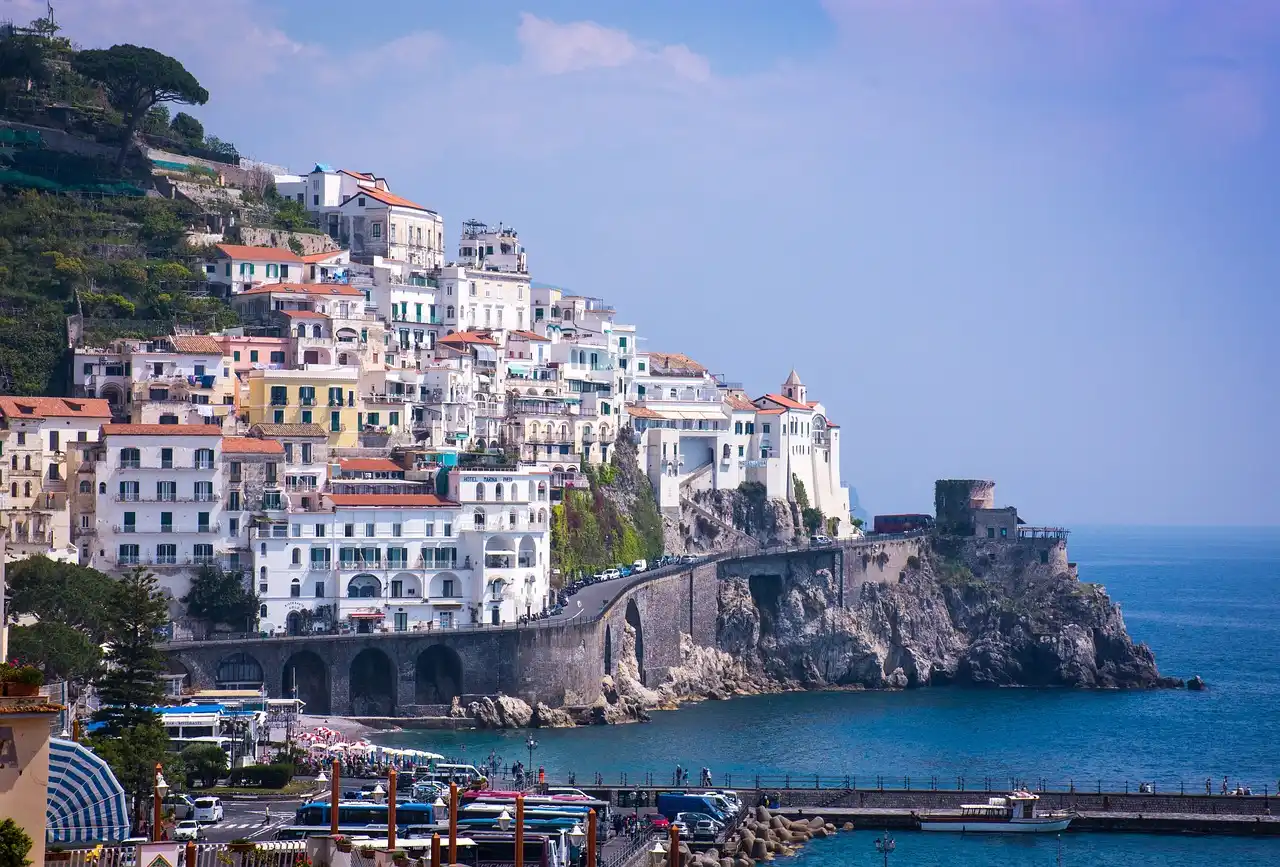

 10 hours